![Rap[id]](http://images.squarespace-cdn.com/content/v1/6558b27cd9e76c0d73b0bad7/83a74de6-8f91-414d-95fc-d3e14b5e2899/titel.png?format=1500w)
OBSERVATIONS FROM THE ROAD
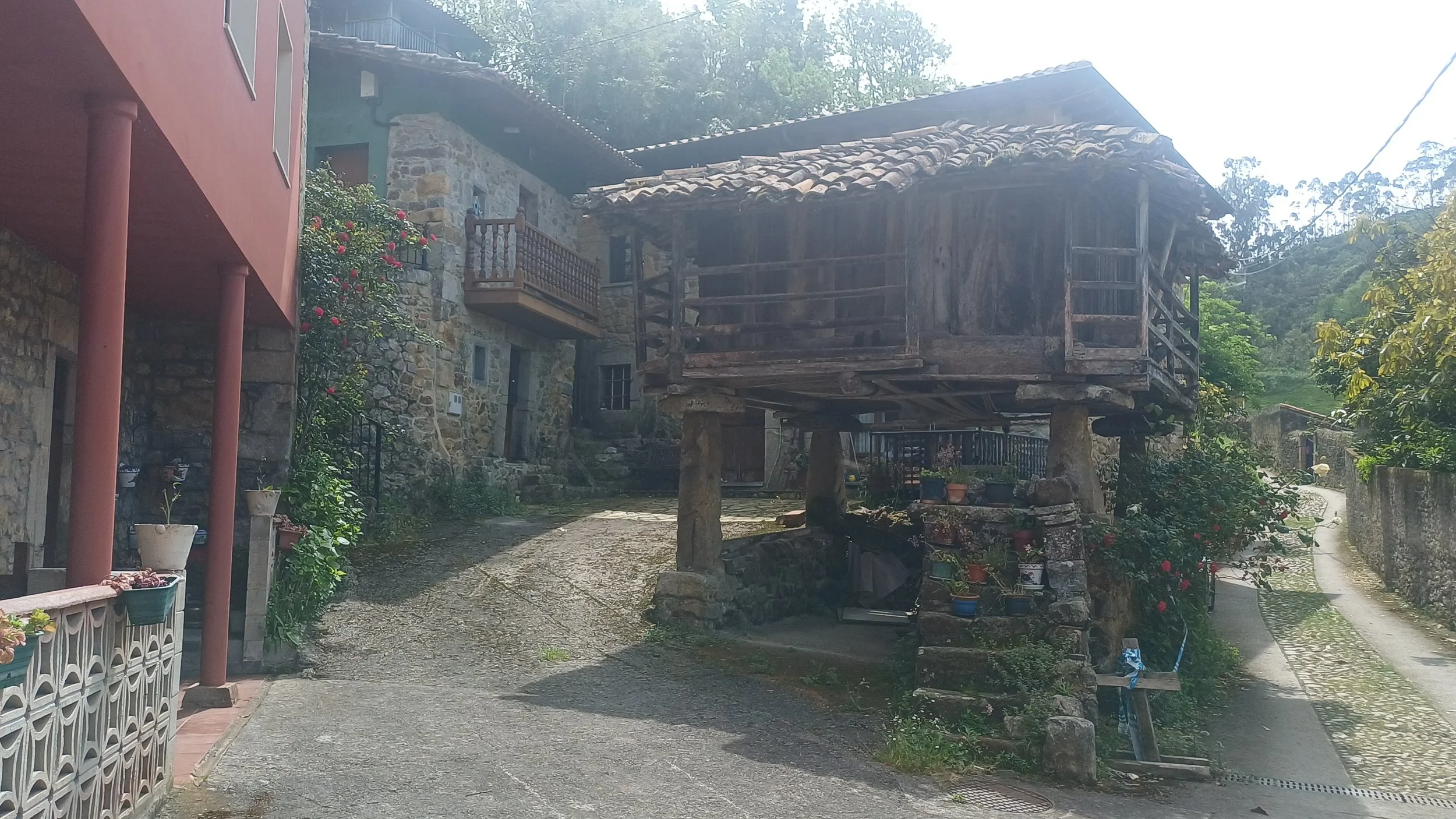
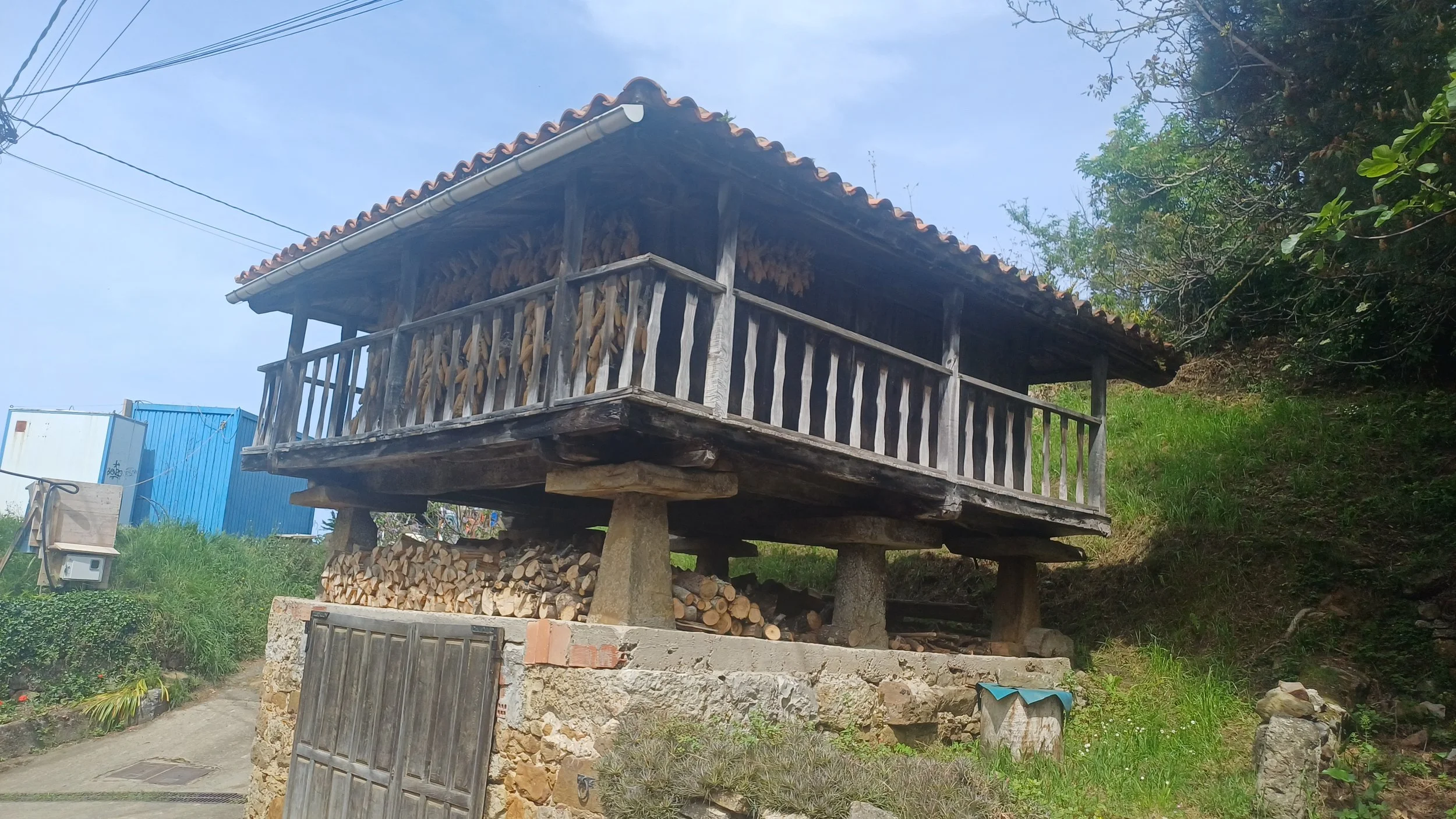
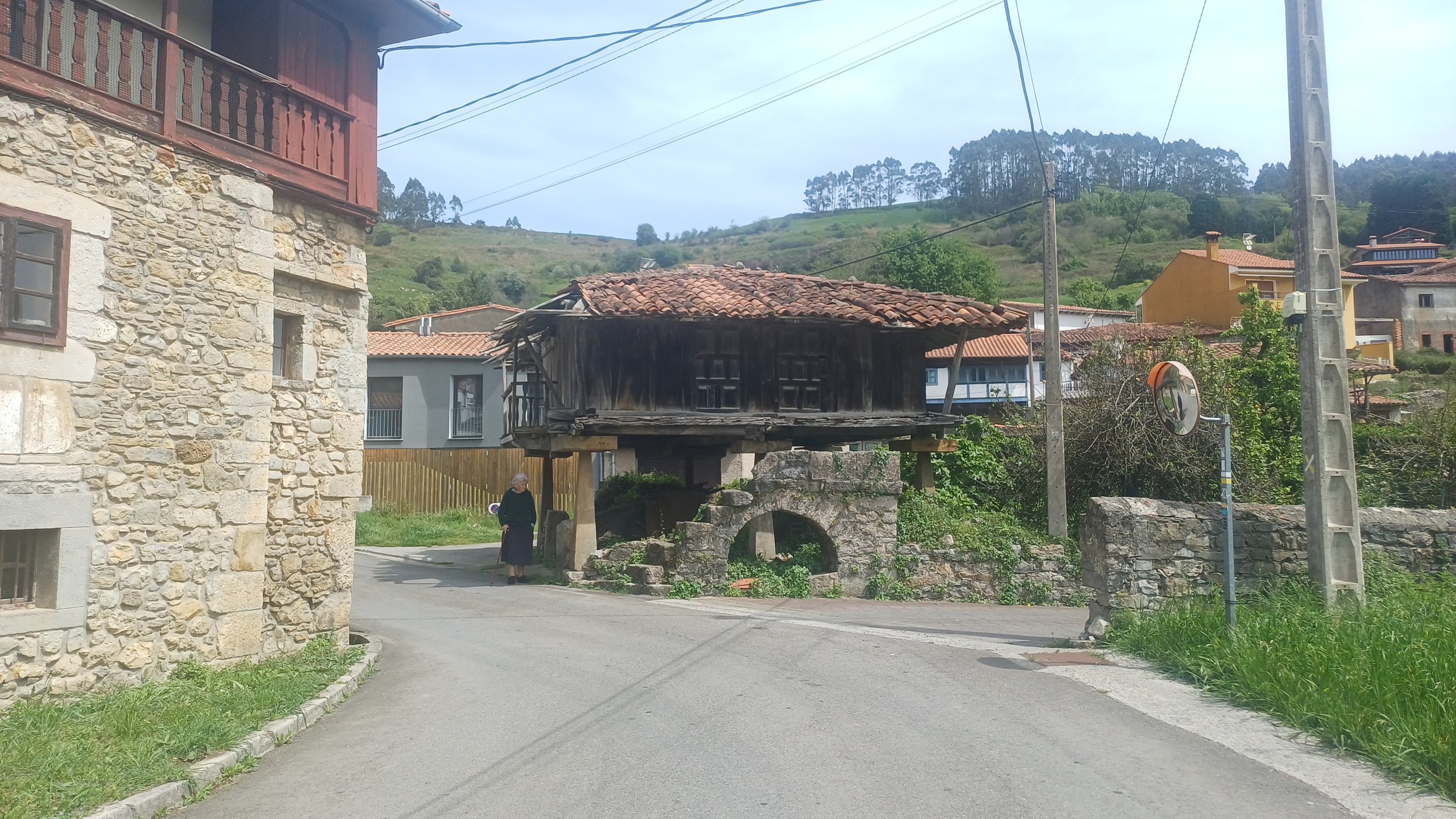
For several years now, I am walking in stages from my hometown Utrecht to Santiago de Compostela. This year my pilgrimage led me from Irun on the French border to Gijon, halfway along the Northern Coast of Spain. Unique to walking the camino, is that you have the time to carefully read the landscape as it passes by and observe its characteristic features and gradual changes. This time the beautiful granaries of Asturias stood out (https://en.asturias.com/Asturian-horreos/). Originally, they served to store and protect the harvested fruits of the field, such as grains, potatoes, and onions. Although today they have become largely obsolete, they are still maintained in surprisingly many places. In 2026, Spain recognized these granaries of the North as intangible cultural heritage, not only to protect these traditional constructions, but also the craft, knowledge, memories and symbolic values they represent. They have become part of a rural identity of a region characterized by outmigration and fortunately increasingly attract urban tourists and even foreigners.
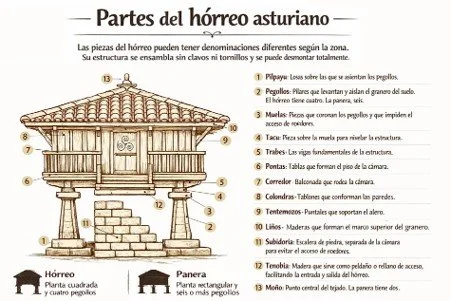
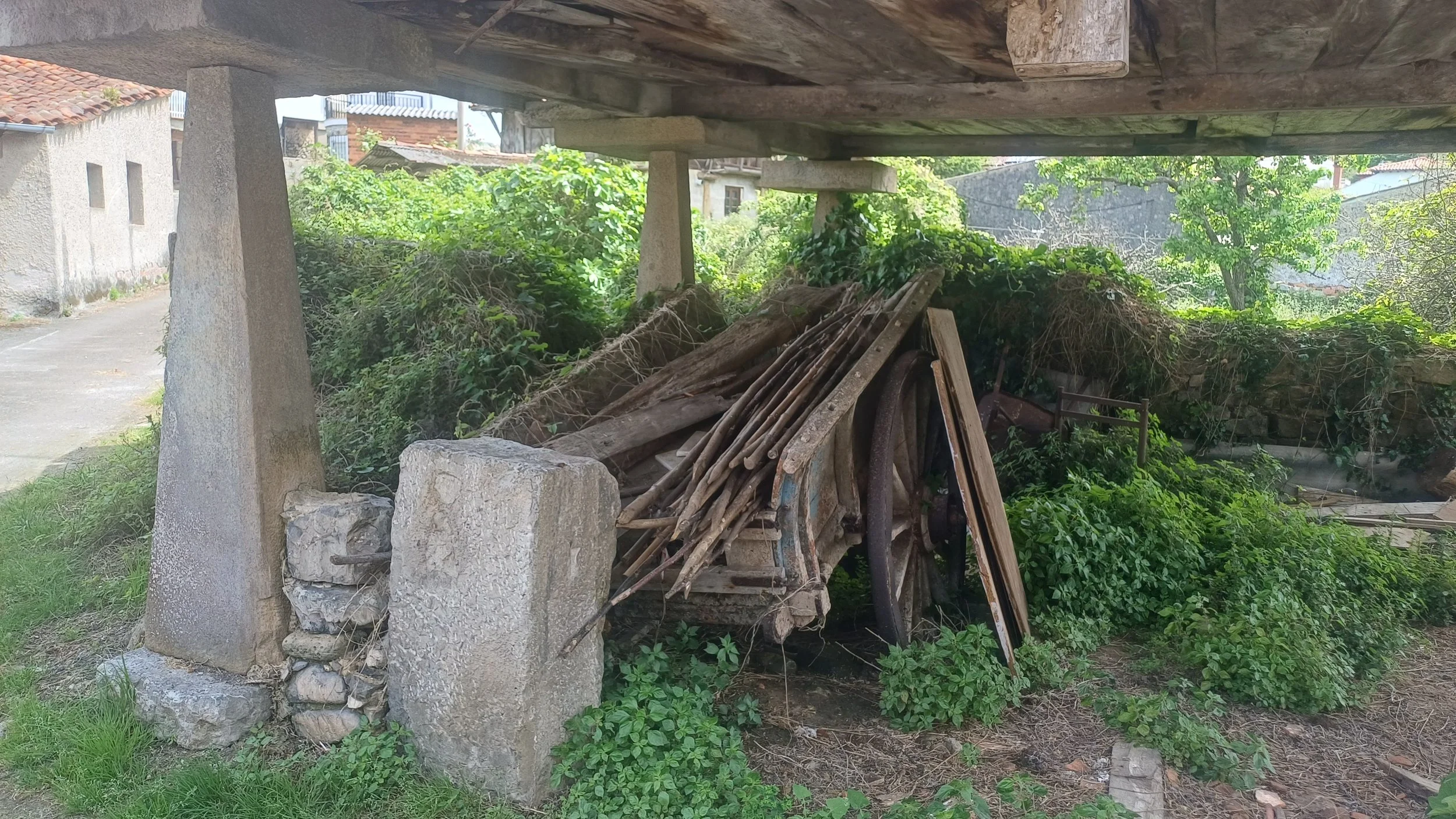
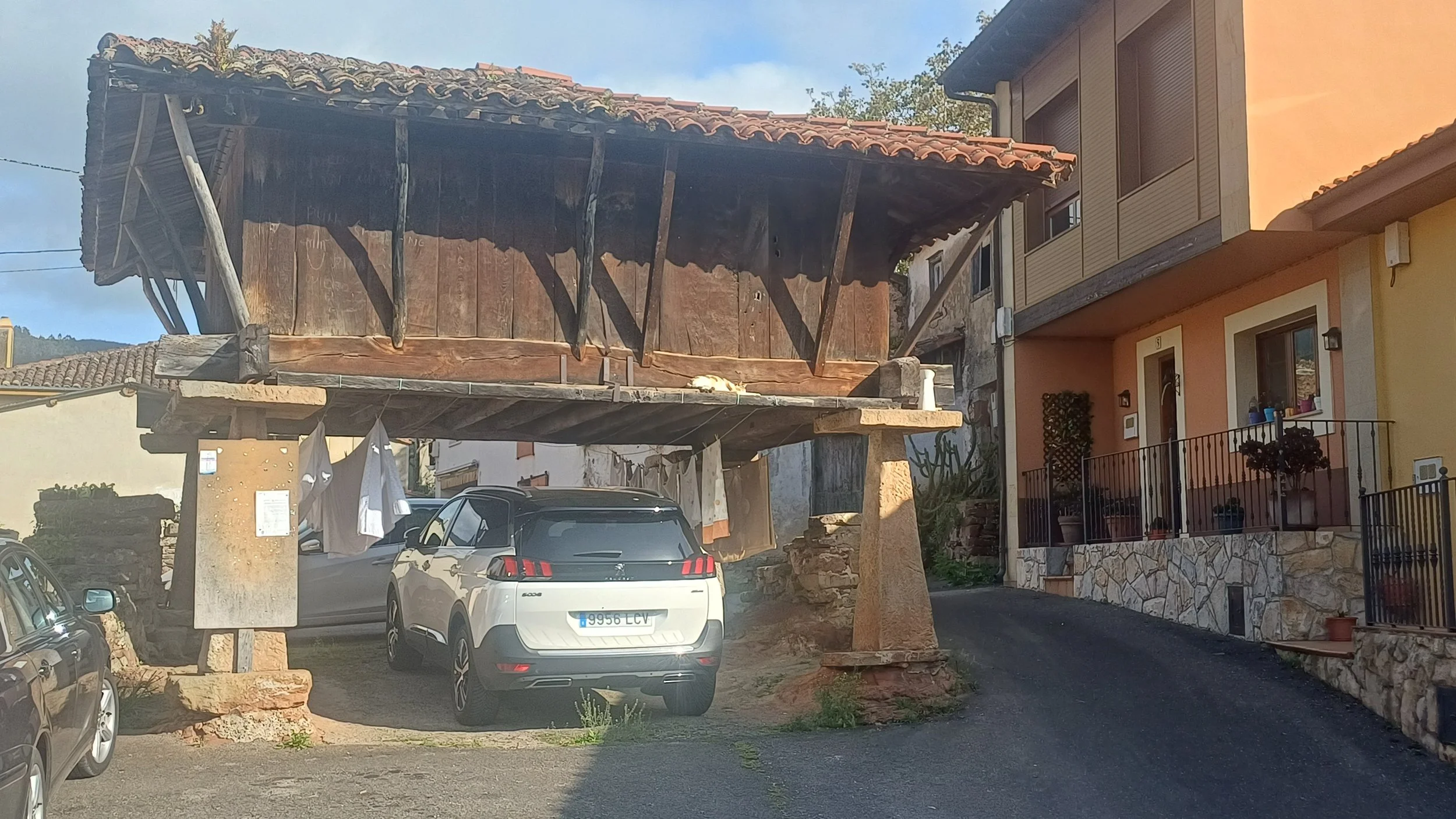
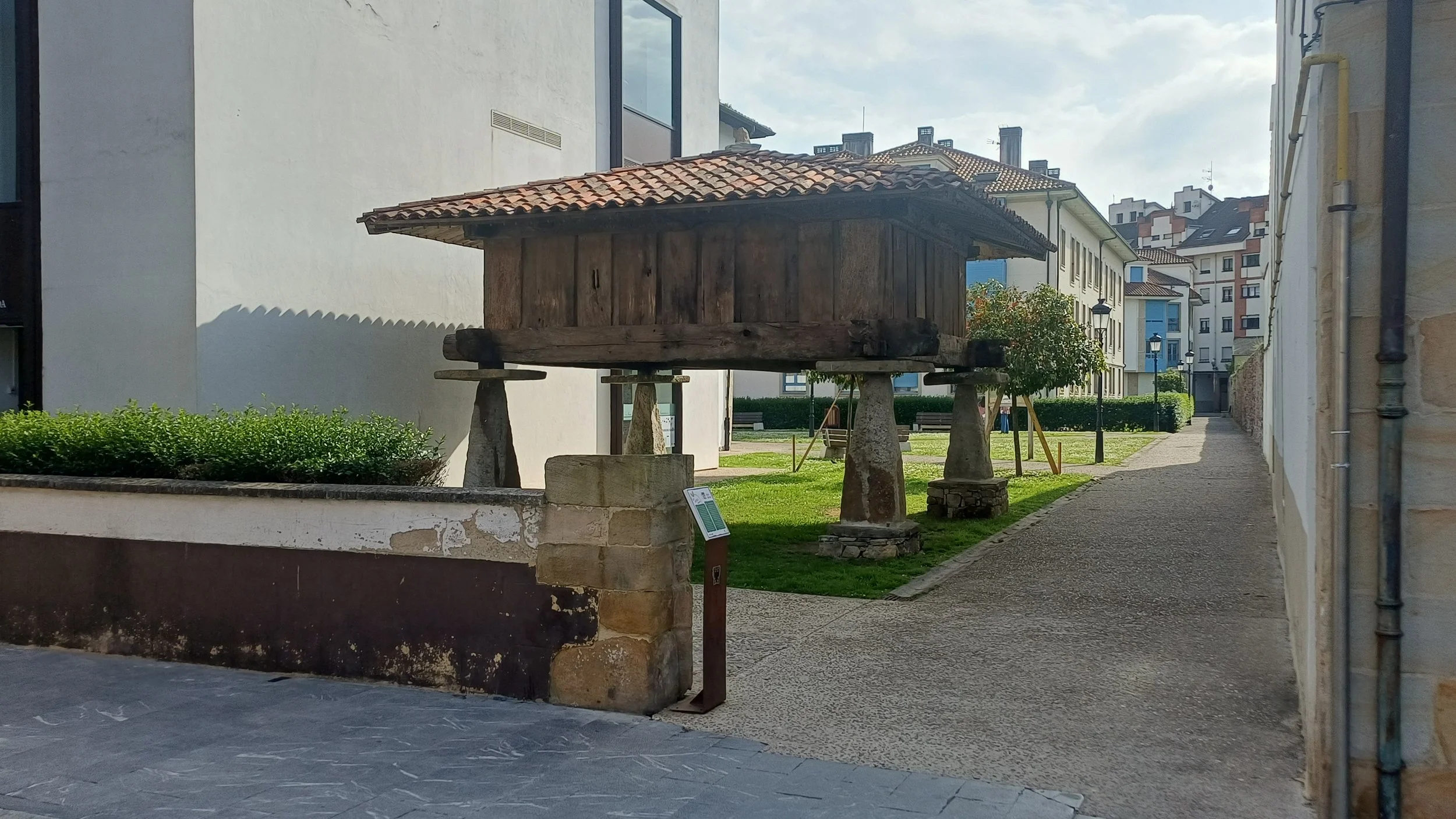
Passing by and photographing several granaries makes you appreciate their ingenious design. The wooden chamber stands on stone pillars, separated with a stone slab that prevents rodents to pass. For the same reason, the cemented stone stairs stand slightly apart from the storage. The oldest type that exists already in the region since the 13th Century has a rectangular shaped building with four stone pillars (hórreo), while from the 17th Century a new elongated type emerged with six pillars (panera) with more storage space required for the new productive colonial crops, such as maize and potatoes. A 90-year-old lady on the road told me that some larger storages were shared by several families, which is when they have several doors. This also prevented people from breaking them down.
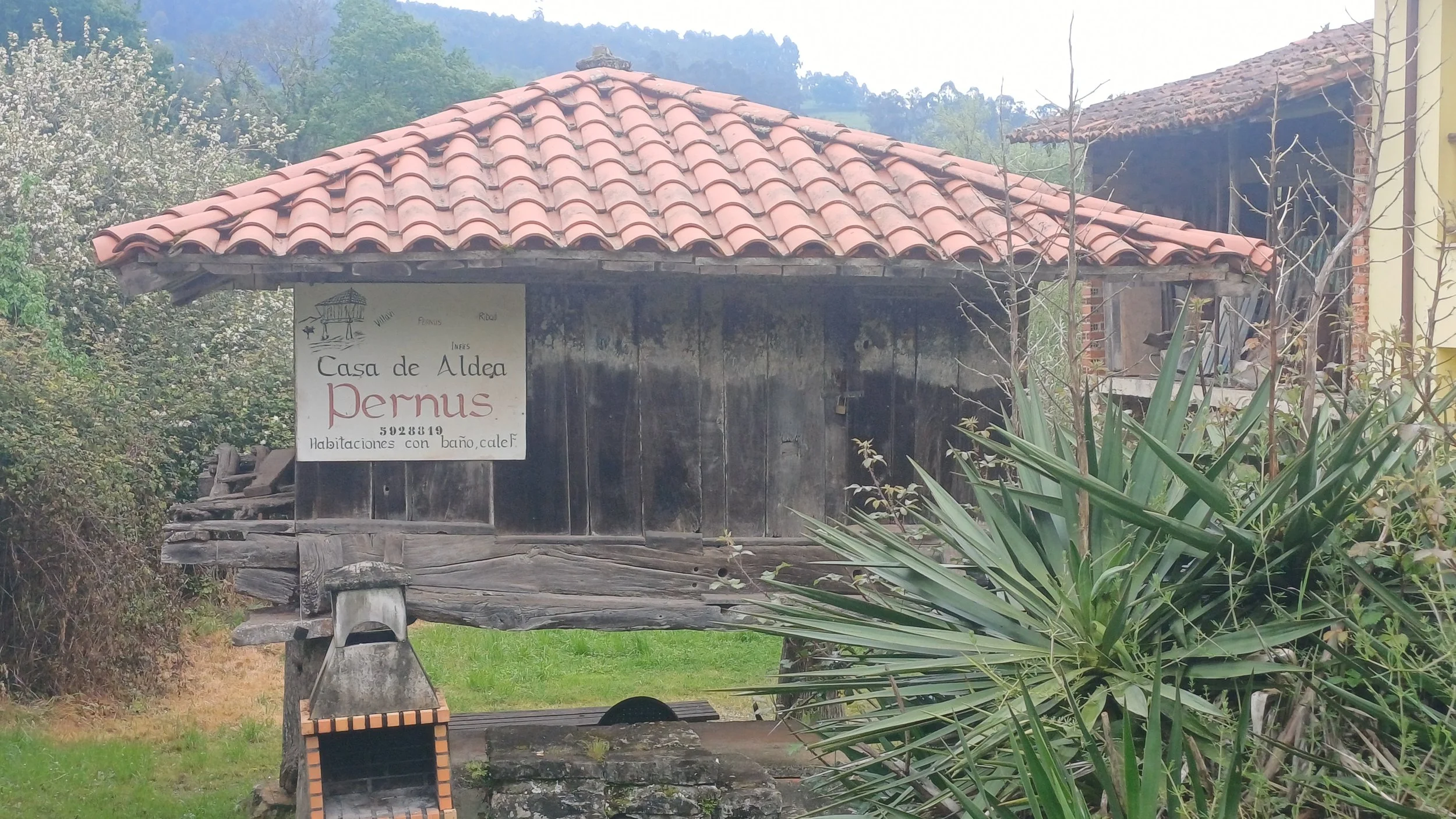
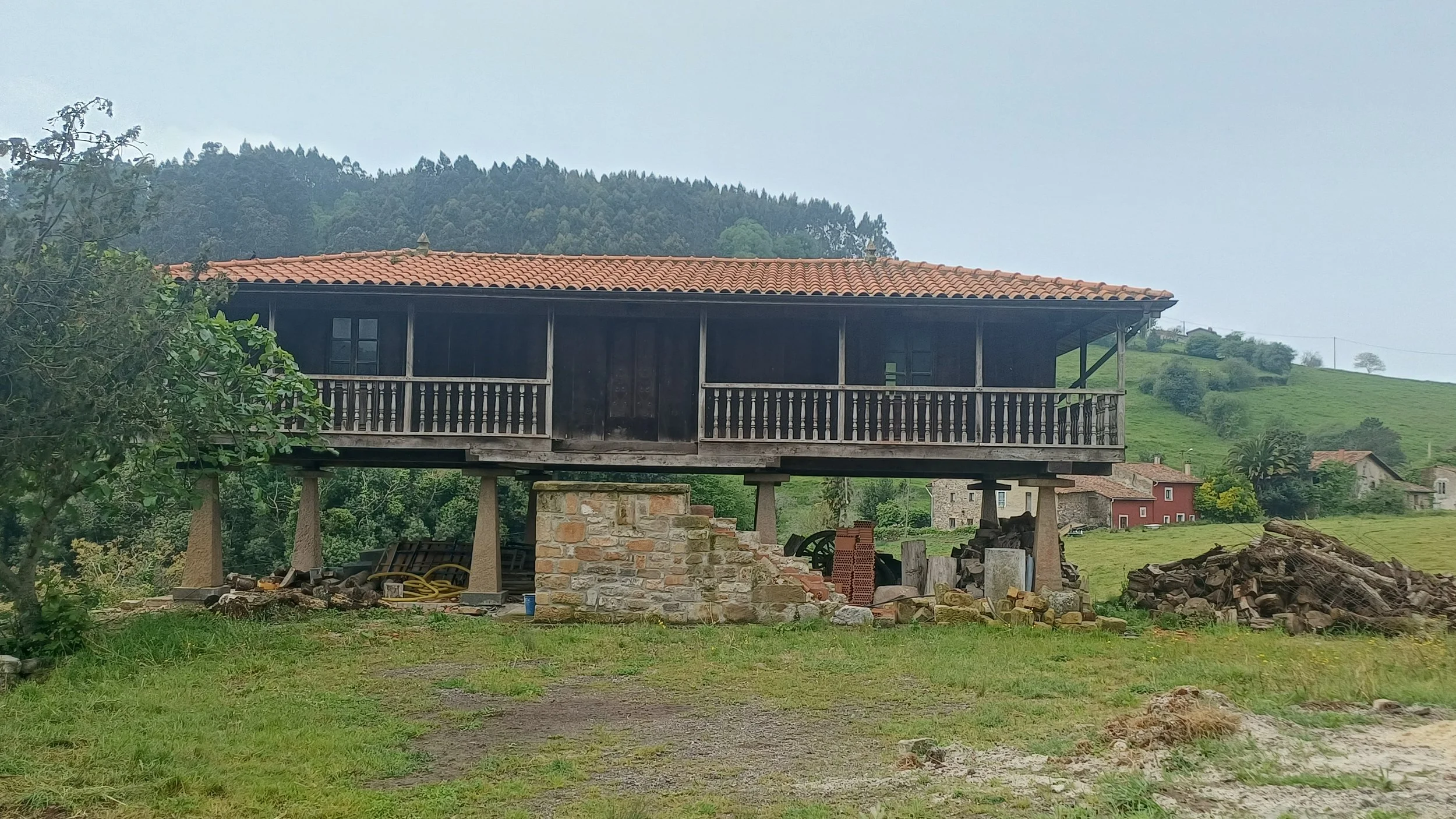
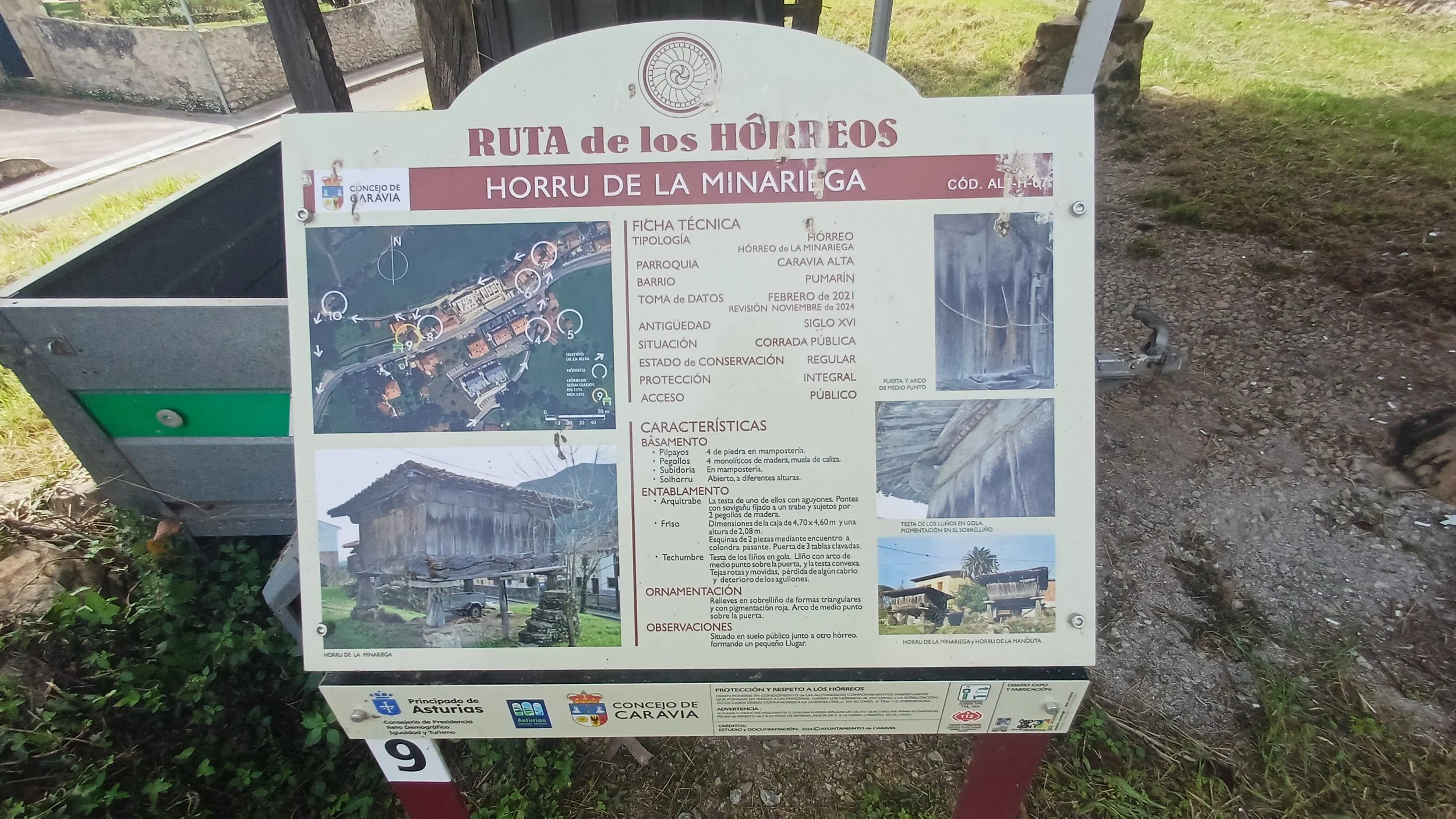
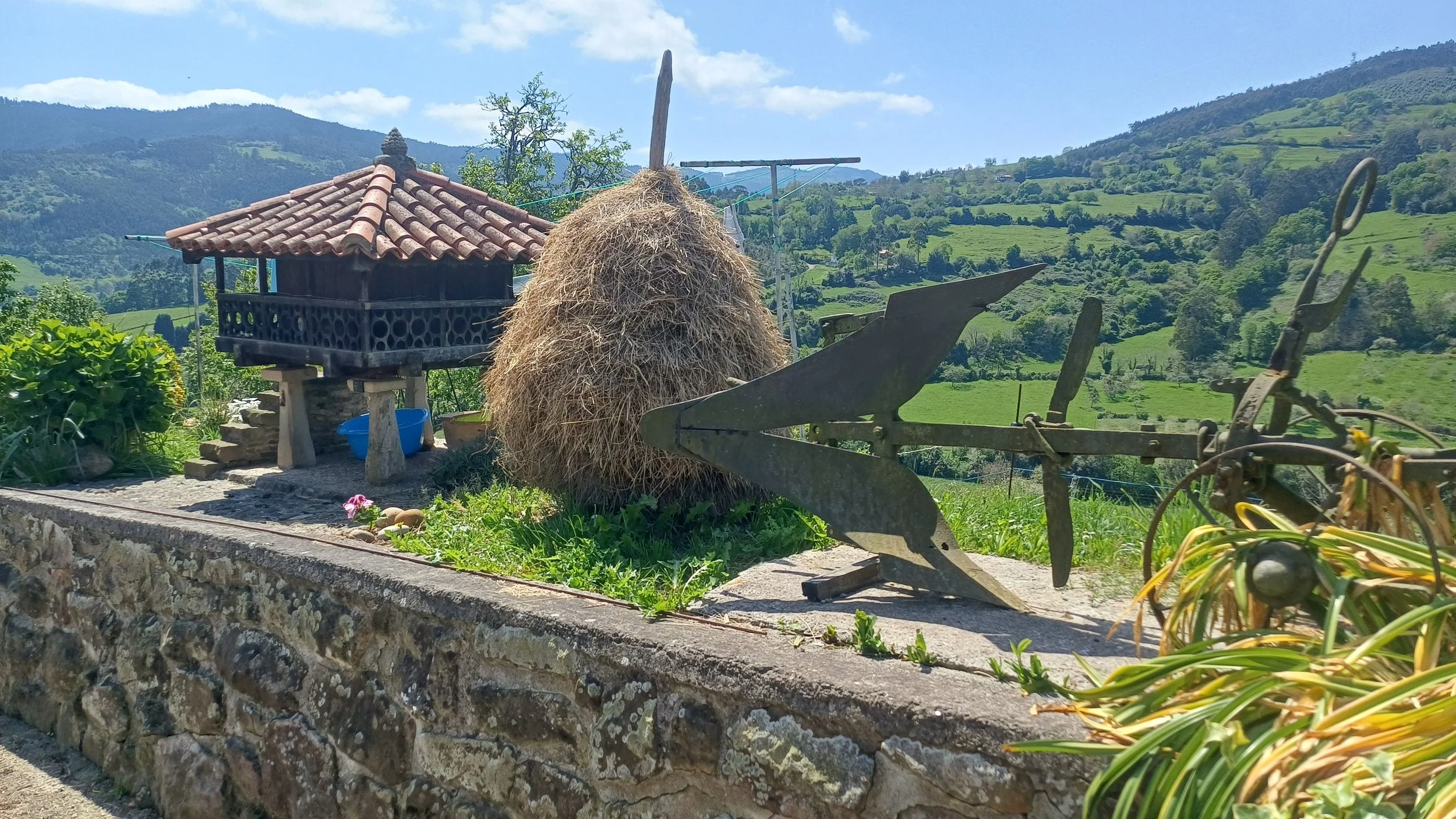
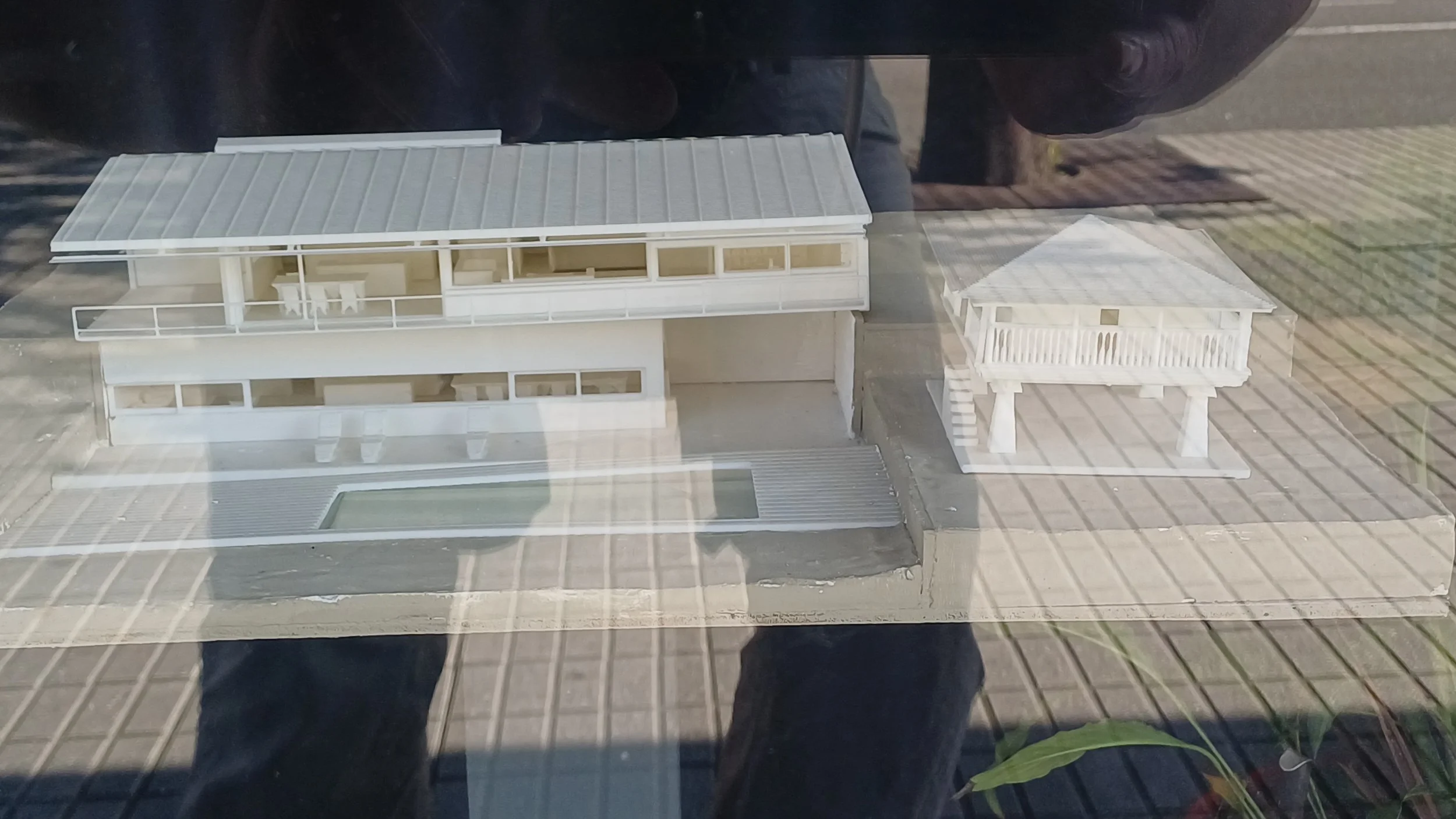
It is intriguing to see how people appropriate those old and seemingly ordinary technologies and create new uses and meanings that go beyond their material function. Some granaries are still used to dry crops, but also wooden logs or laundry. Flowers and plants highlight the aesthetic character of the granaries, which were traditionally adorned with different decorative carvings, painted patterns and geometric motifs. Some are used to park historical horse carts or modern cars under or as a storage for agricultural tools or children’s toys. A few granaries have been electrified. A cat is sleeping on the balcony. People further renovated granaries as village houses or holiday bungalows to receive tourists, while others serve to advertise this, local events, walking routes or other things. In a little village exhibition made by neighbours, I found a small model of the hórreo together with a plough and a typical haystack, which to me revealed a pride in rural life. Later in the city, I encountered a plastic prototype of a granary that was placed next to a modern model house. The granary appeared to inspire, contextualize and market the design of regional architecture. These creative new uses made me think of a quote that I found along the pilgrim’s route: “The extraordinary is on the way of ordinary people”.
Walking the camino gives time and space for observation and reflection, which are crafts that I use a lot in research, training, and advice. The brackets in Rap[id] represent this in-between space for ‘reflection’. This is key to make sense of and visualize the tacit value of everyday practices and (extra-)ordinary capabilities that often remain out of sight.
Written in loving memory of my grandfather, who was the son of a farmer, a walker, and loved to tell stories.