![Rap[id]](http://images.squarespace-cdn.com/content/v1/6558b27cd9e76c0d73b0bad7/83a74de6-8f91-414d-95fc-d3e14b5e2899/titel.png?format=1500w)
WHO IS YOUR AUDIENCE?
This is a very abstract question, when you think about a presentation. But to engage your audience, you need to know them to be able to fine-tune the language, structure, and contents of your presentation. In this item, I will use an anecdote about illegal fisheries in Peru to make this point.
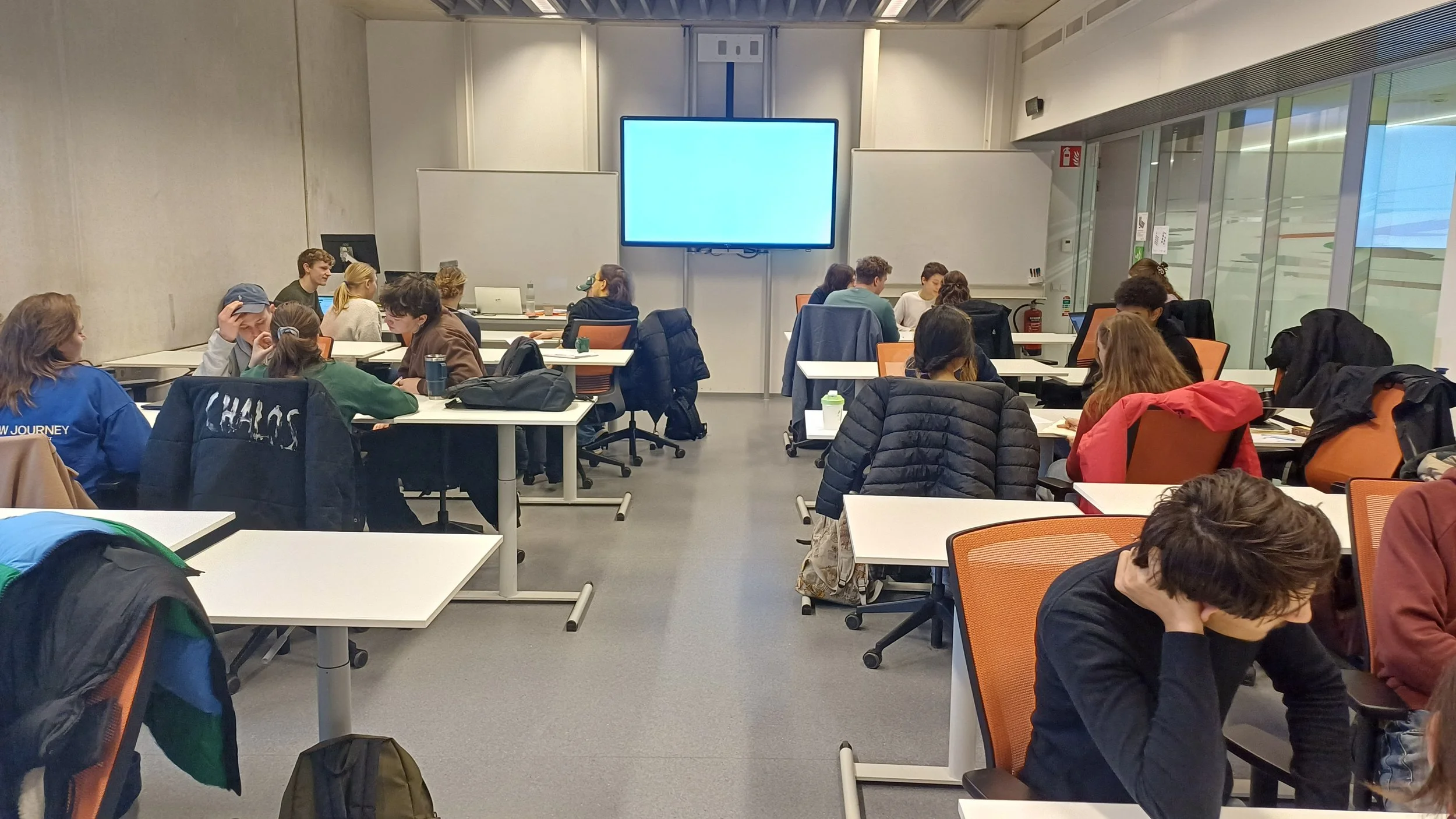
For a group of Marine Sciences students I recently taught the course of Presentation & Reflection Skills (@ WUR). It was rewarding to help them practice and think about their own presentations. With the following opening I tried to capture their interest for considering their audience:
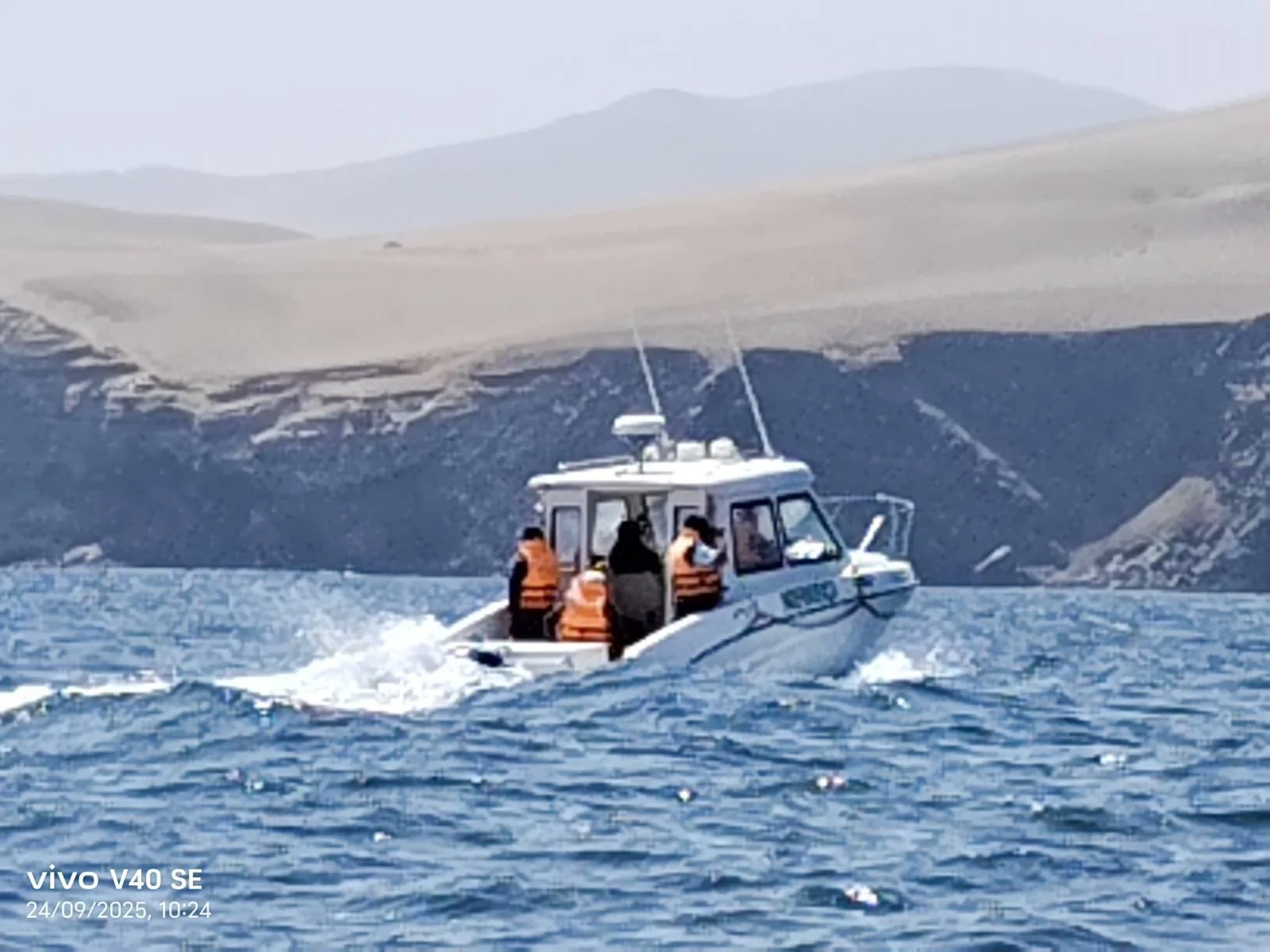


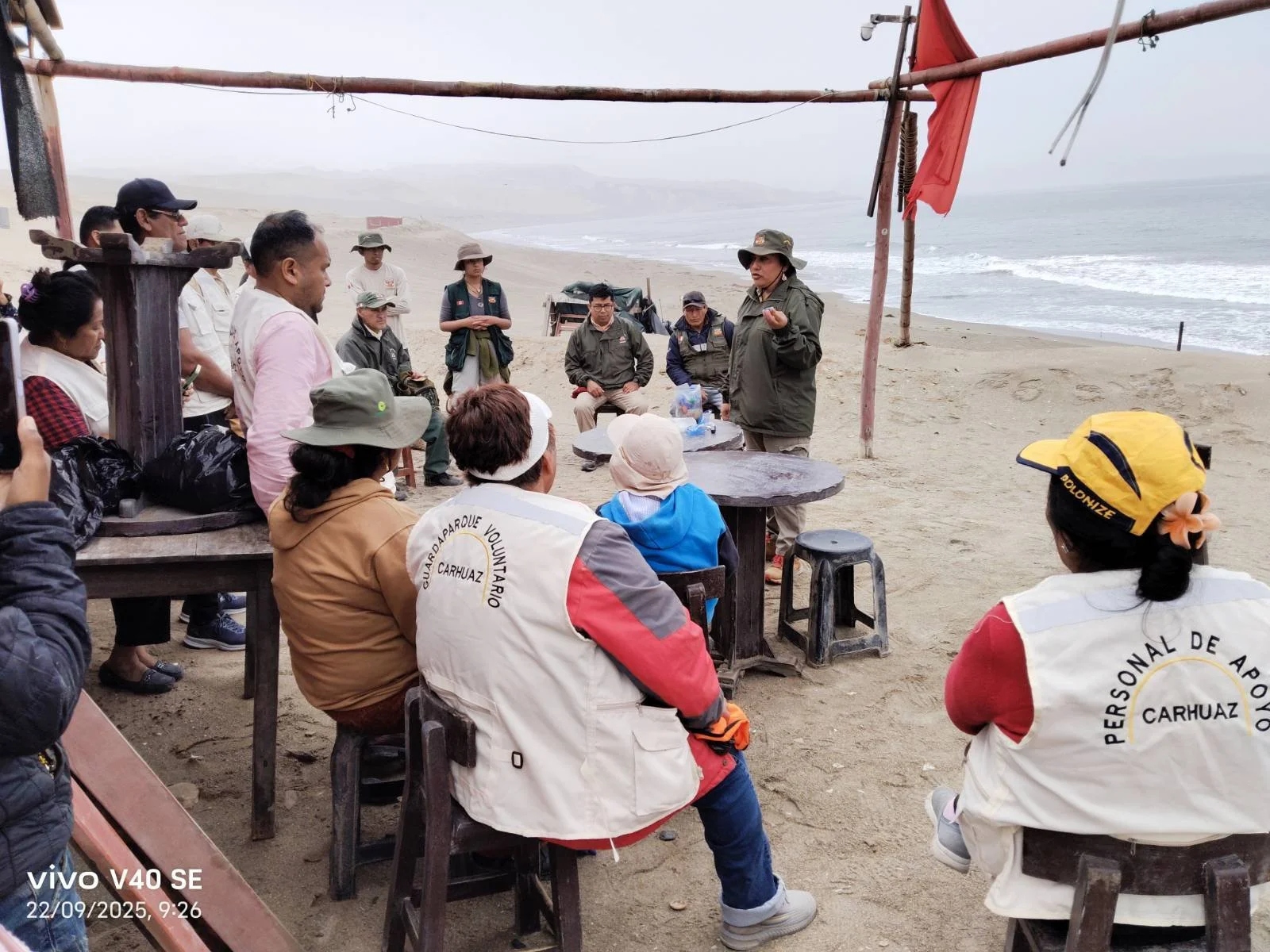
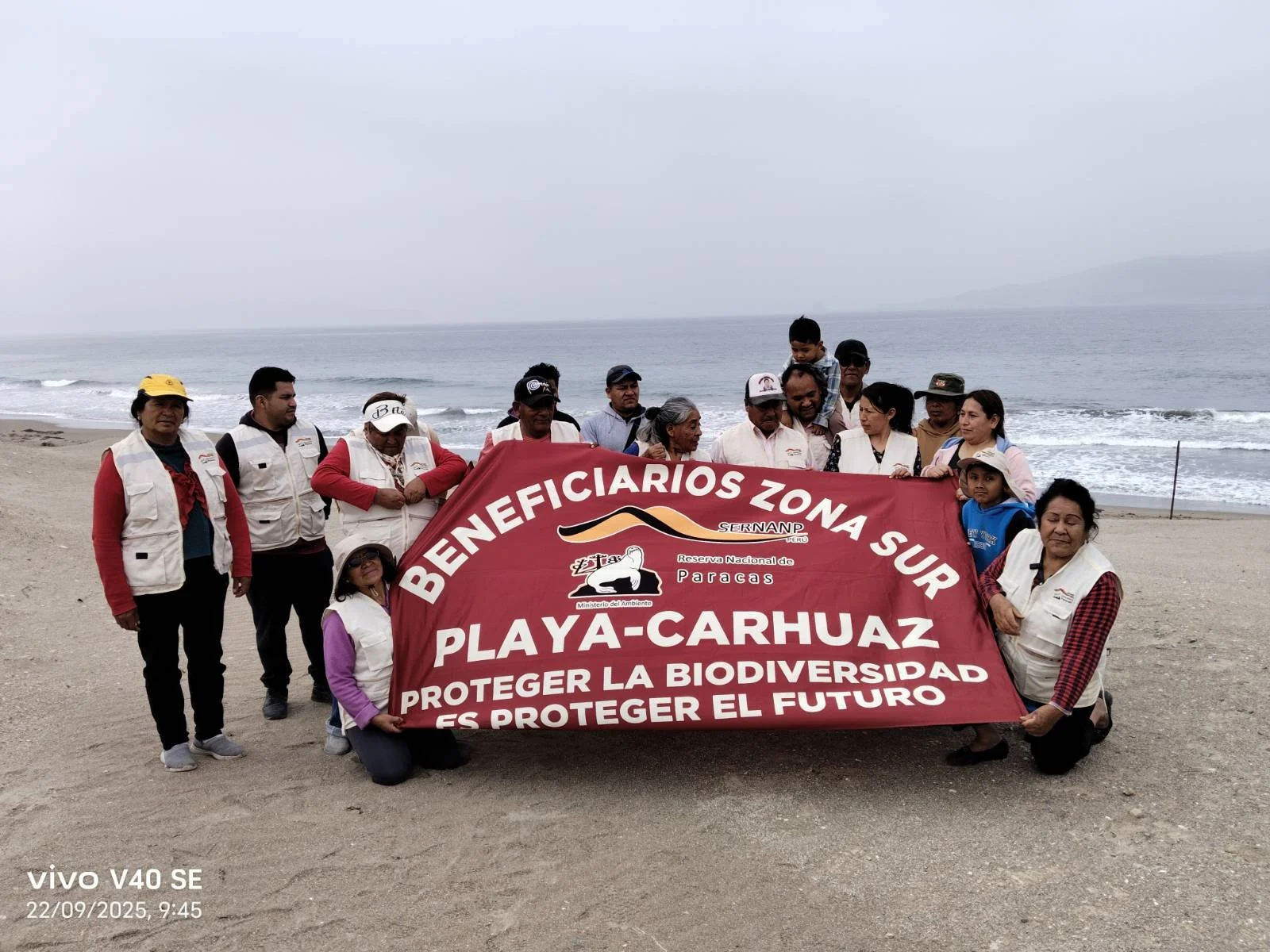
When I recently drove with my friend Ruth along the Pacific Coast of Peru, we passed the Paracas Natural Reserve, which protects precious coastal desert and marine ecosystems (Paracas_National_Reserve). She told me that through her work at a national NGO (DAR) she recently visited this Conservation Area to see what they were doing against illegal fisheries. Big Chinese fishing trawlers, large Peruvian boats for fish meal production, and many smaller fisher boats together cause the problem of overfishing in this reserve. When Ruth saw the one small boat (see photo) that the guards have to protect a huge area of more than 3000 km2, it became immediately clear that their capacity to act is absolutely insufficient against big industrial ships. Real-time satellite imagery could instead be used to locate large ships fishing in the reserve, as is done elsewhere (https://globalfishingwatch.org/). However, a powerful industrial fishing lobby has recently pushed in Congress to make prosecution with such evidence impossible. So, what can be done to protect such reserves against illegal fisheries?
Several students in the audience were intrigued by the example from their field and this hopefully inspired them to think about the opening of their own presentation and possibly further research. If you want to contribute to this research, you could contact DAR (mailto:rpreciado@dar.org.pe). Meanwhile, who is your audience?