![Rap[id]](http://images.squarespace-cdn.com/content/v1/6558b27cd9e76c0d73b0bad7/83a74de6-8f91-414d-95fc-d3e14b5e2899/titel.png?format=1500w)
THE JOURNEY, NOT THE DESTINATION
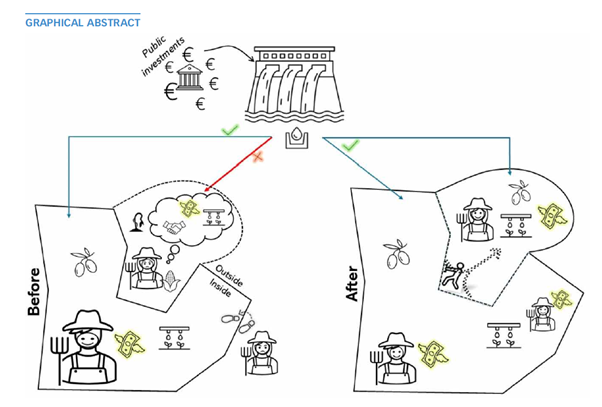
I am happy to share a recently published article in Water Policy: “When outsiders become insiders: shifting boundaries and irrigation intensification by precário farmers in Portugal”, written together with Alex Bolding and Sarah Scholten. This article explains how outside investors can shift boundaries and become part of irrigation systems through modernization projects, which undermines collective action according to Ostrom. For this, we apply Repetto’s rent-seeking theory to four different cases in Portugal and investigate the role of speculative rent in land value increase.
Looking back, I am happy with the publication, but perhaps even more with the process that took us there. The research journey allowed us to visit a number of special people and places. It is useful to remind myself of these rich personal experiences, because for a freelancer publication is an unpaid and increasingly costly affair. Somehow it raises the existential question: “Why am I doing this?”. The following account of our journey will illustrate why it was worthwhile.
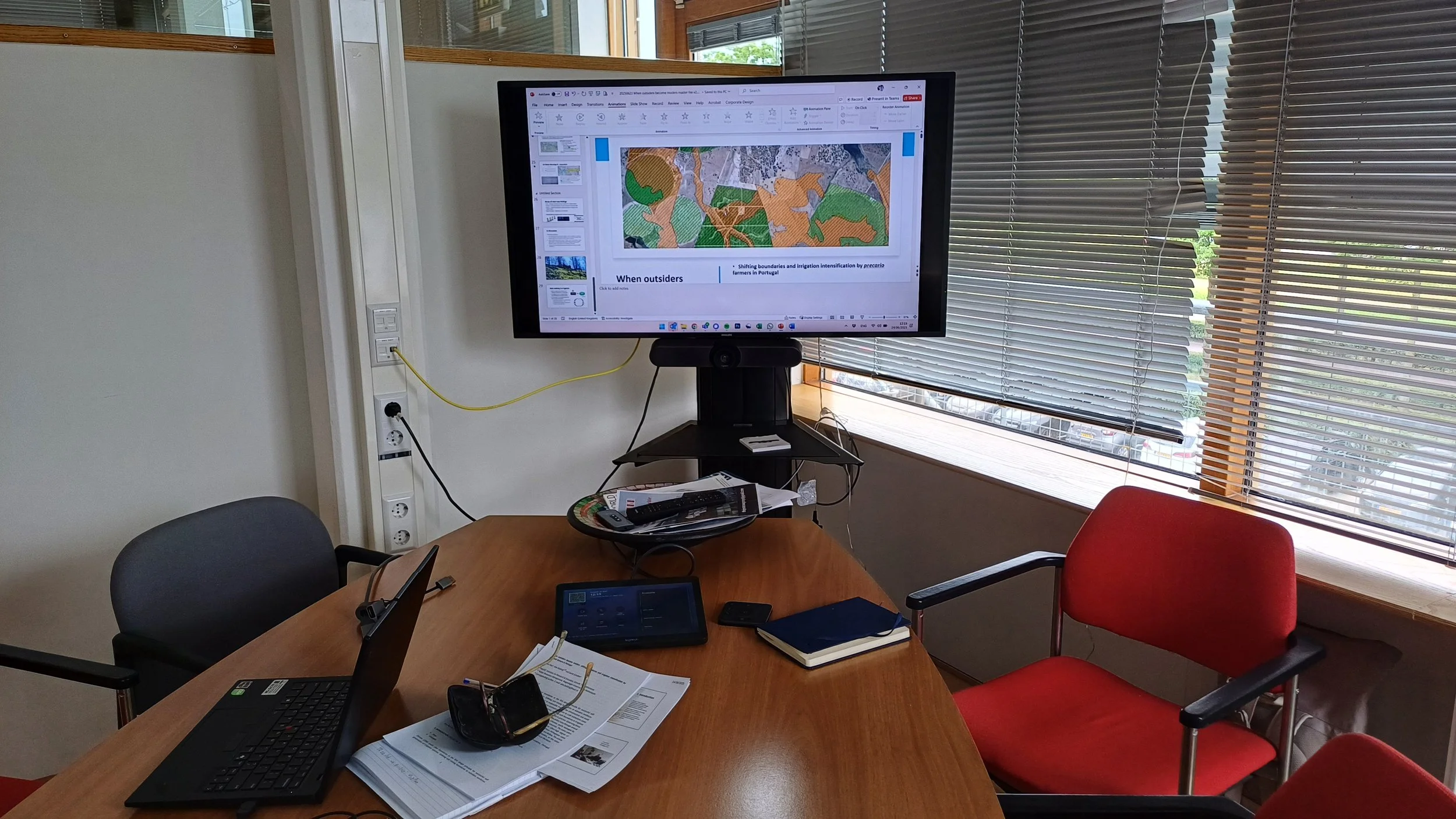
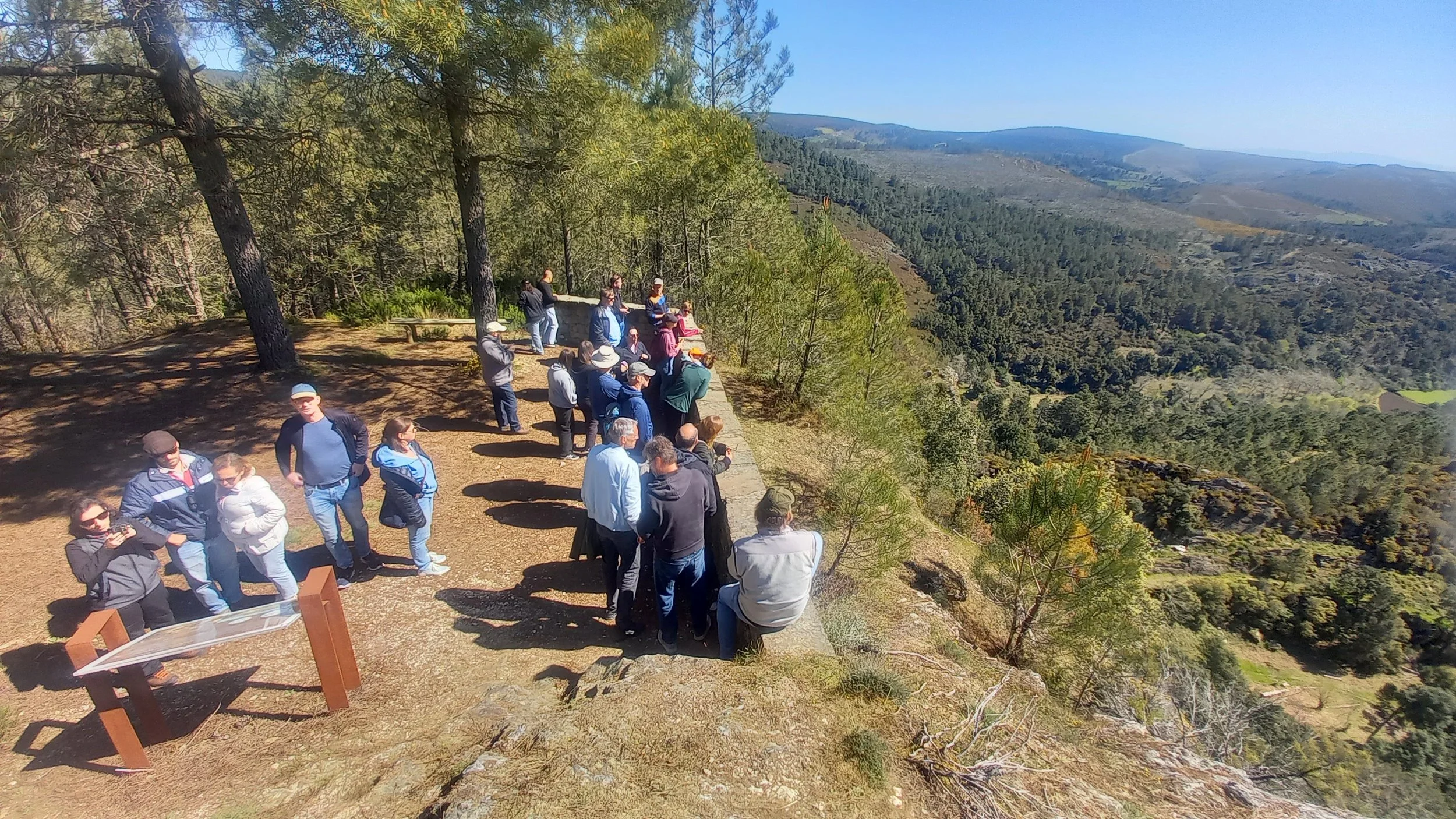
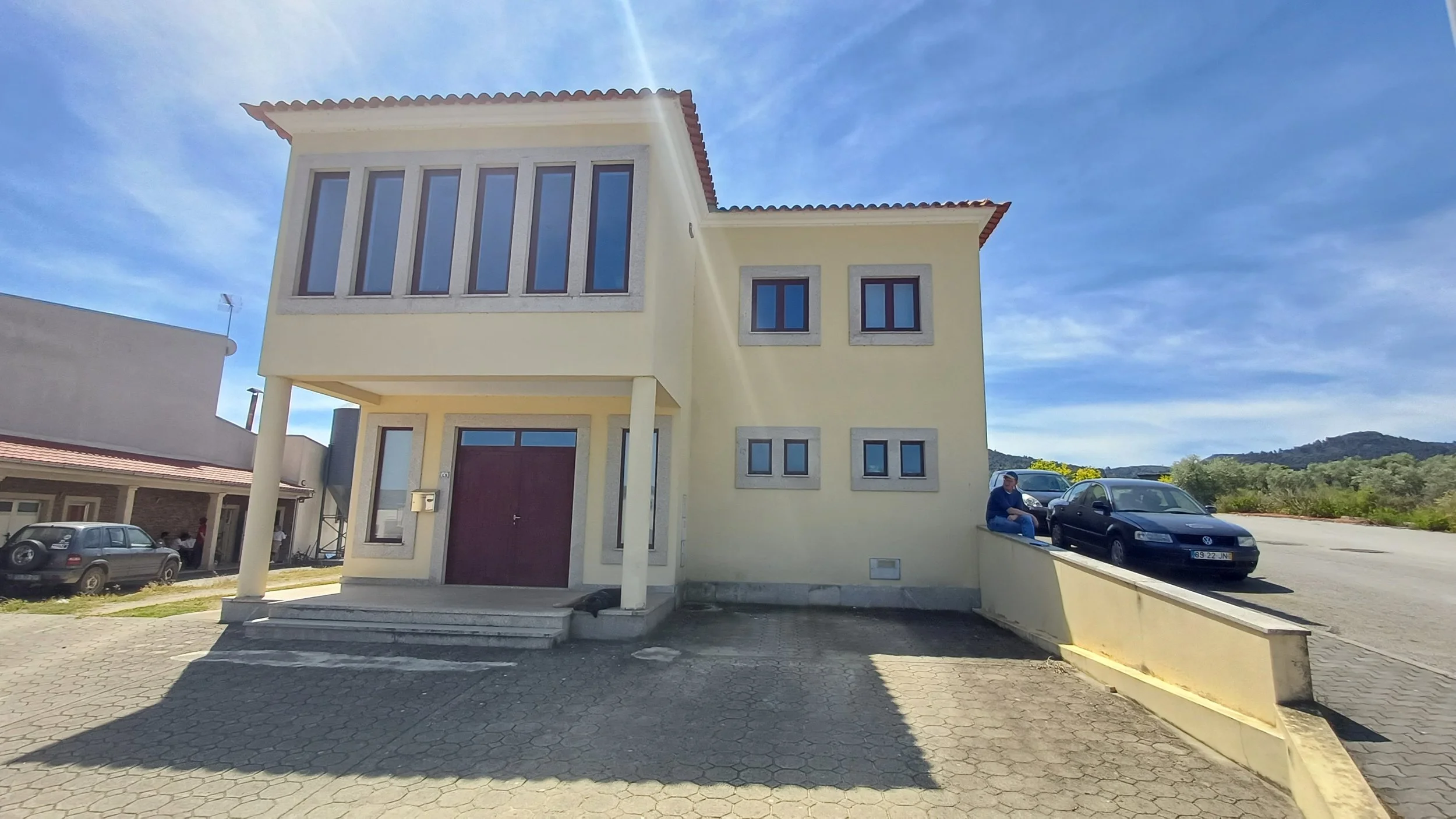
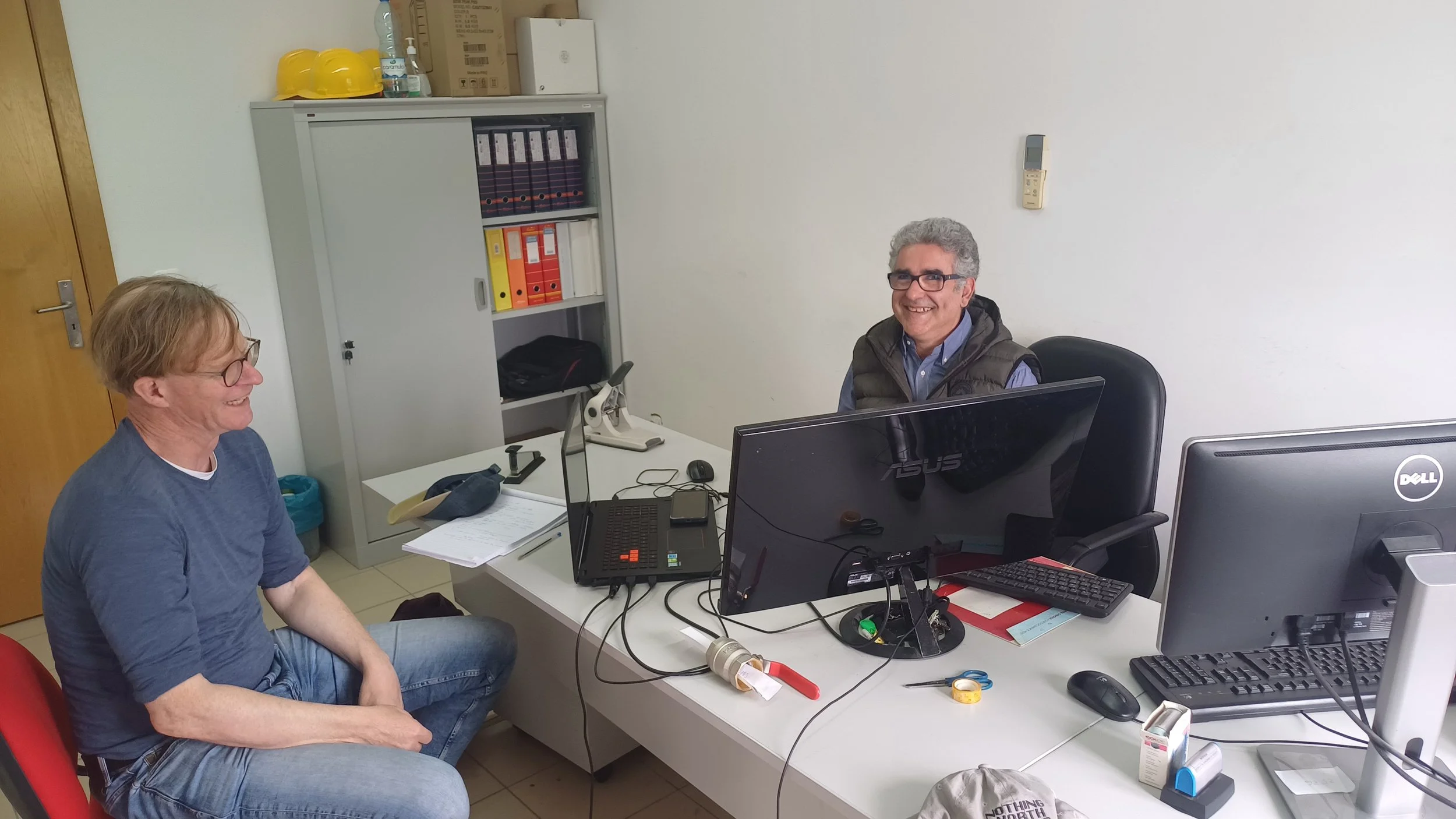
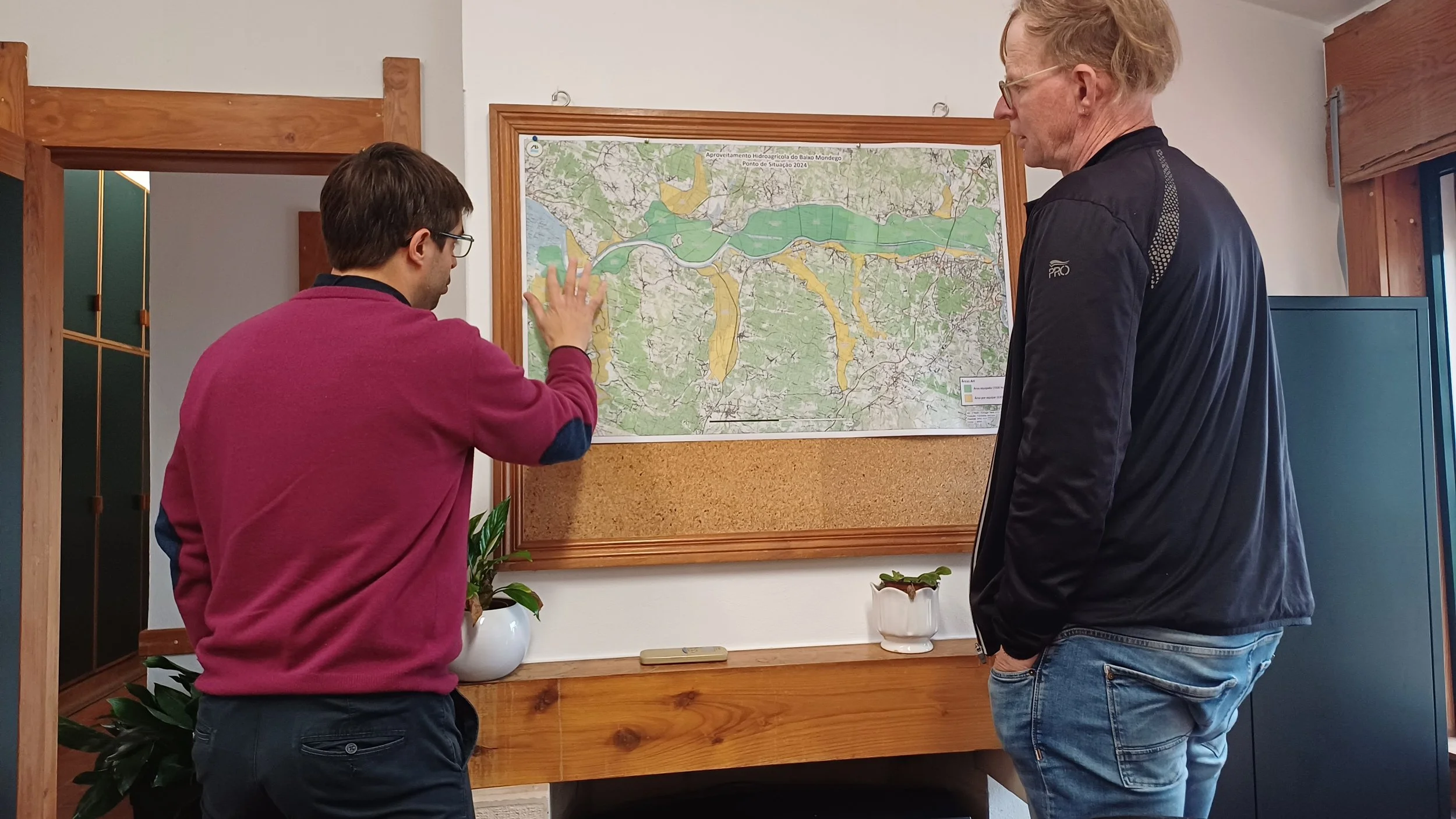
The most adventurous part of this research was the road-trip that I undertook with my friend Alex in April/May 2025 to revisit the four irrigation systems that we planned to write about, to check on earlier findings and complement data. With the article, we wanted to build on Alex’ knowledge of different systems, Sarah’s Master thesis research and my anthropological fieldwork (Wenner-Gren, 2021-3). Through his professional career and reading habit, Alex knows a lot about Portugal and its (colonial) history, which informed our interviews. Interviewing the managers of different Water Users’ Associations and visiting those systems together, was very enjoyable. Doing interviews in a team is also very useful, because you can complement each other, ask different questions and hear/see different things. Of course, it helps when you know each other, which we did since our studies.
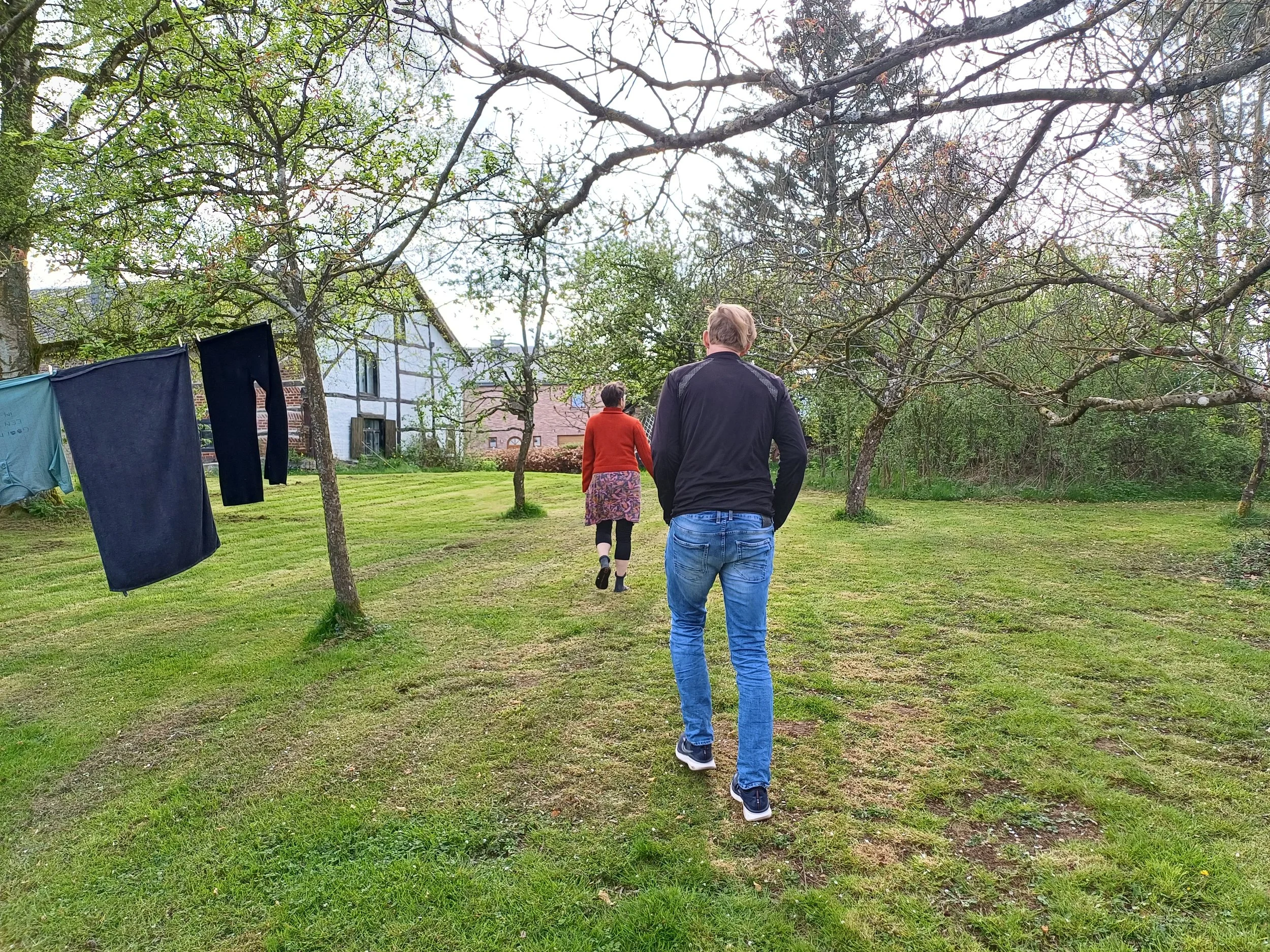
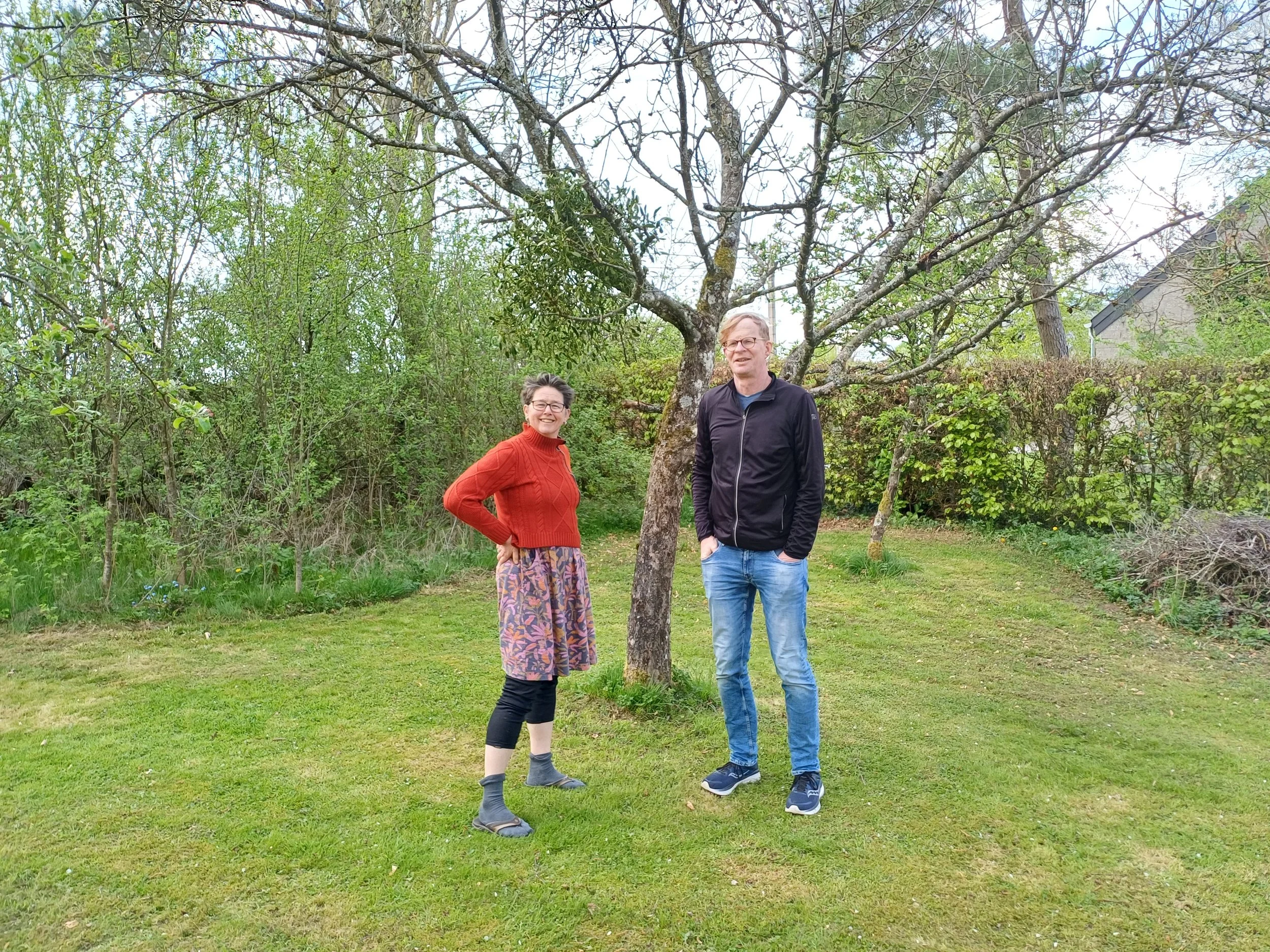
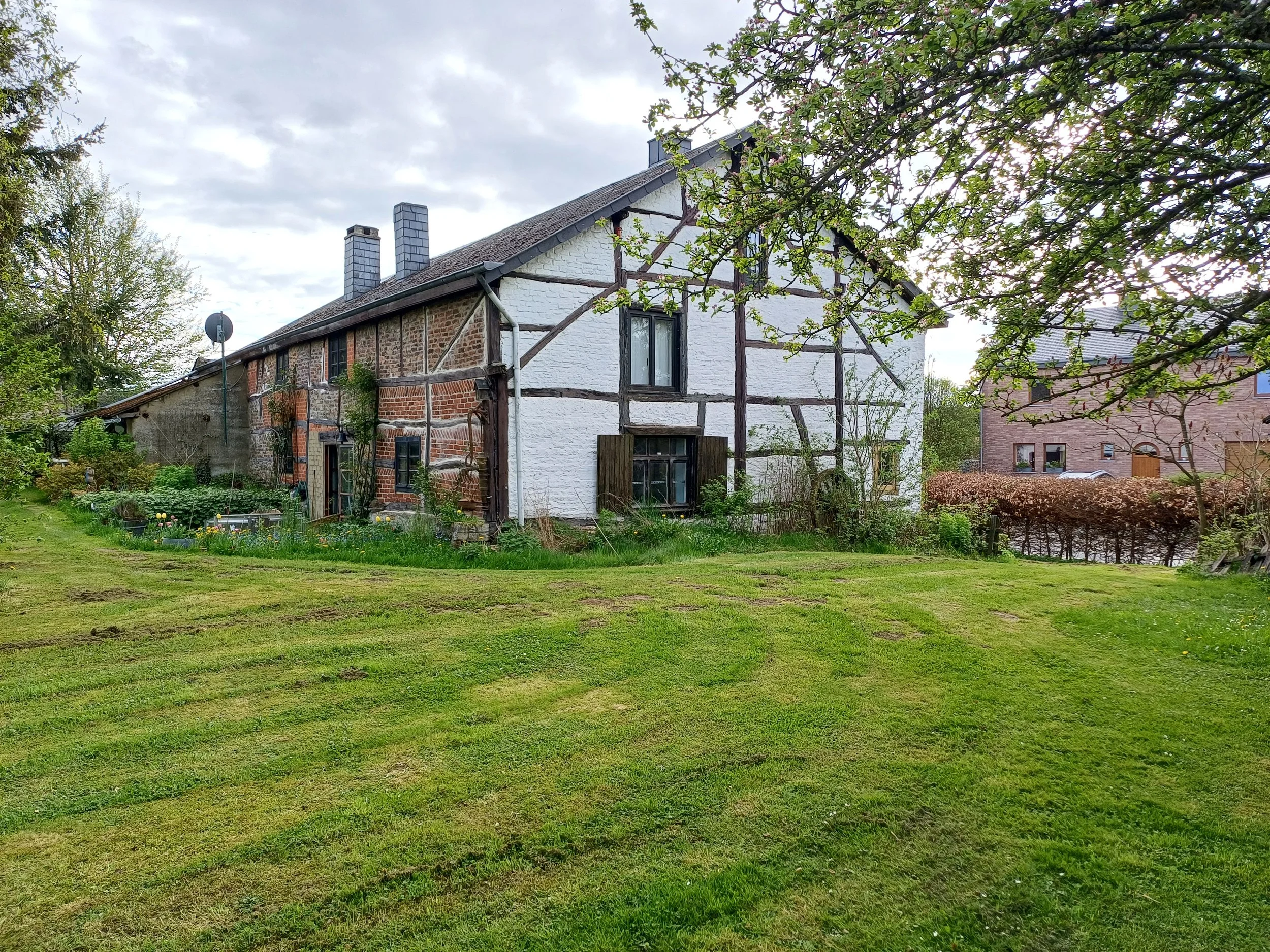
On our roadtrip to Portugal we visited another fellow student who lived part-time in a beautiful half-timbered house in the Ardennes. Rhodante is a few years my senior and once supervised my student group in my first year. Years after, we met again in Mexico, whilst both doing fieldwork for our PhD’s. Later, we together organized and delivered a course at IHE in Delft. Since then, I enjoy seeing her every now and then. Again, it struck me that Rhodante is a much better activist.
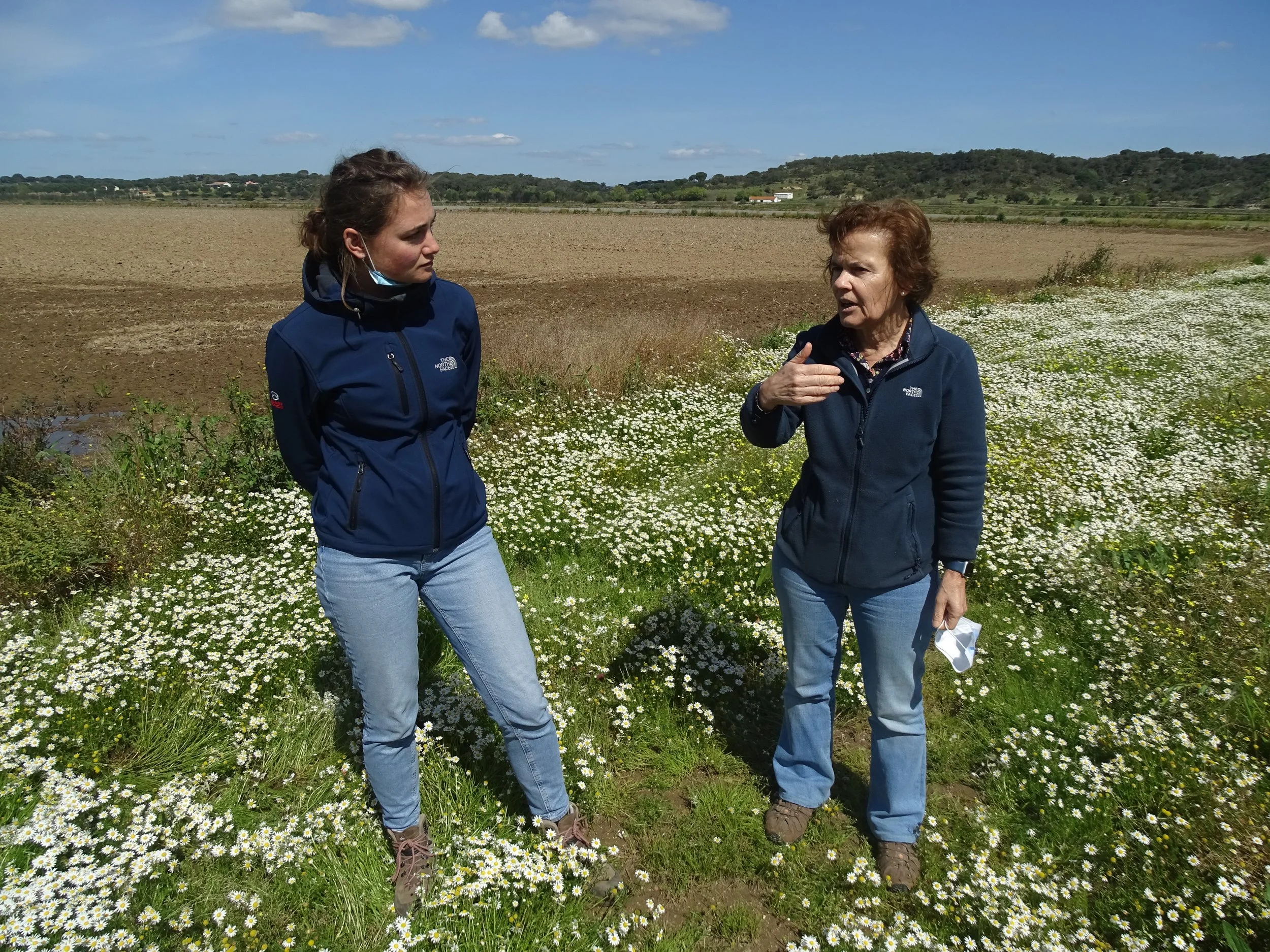
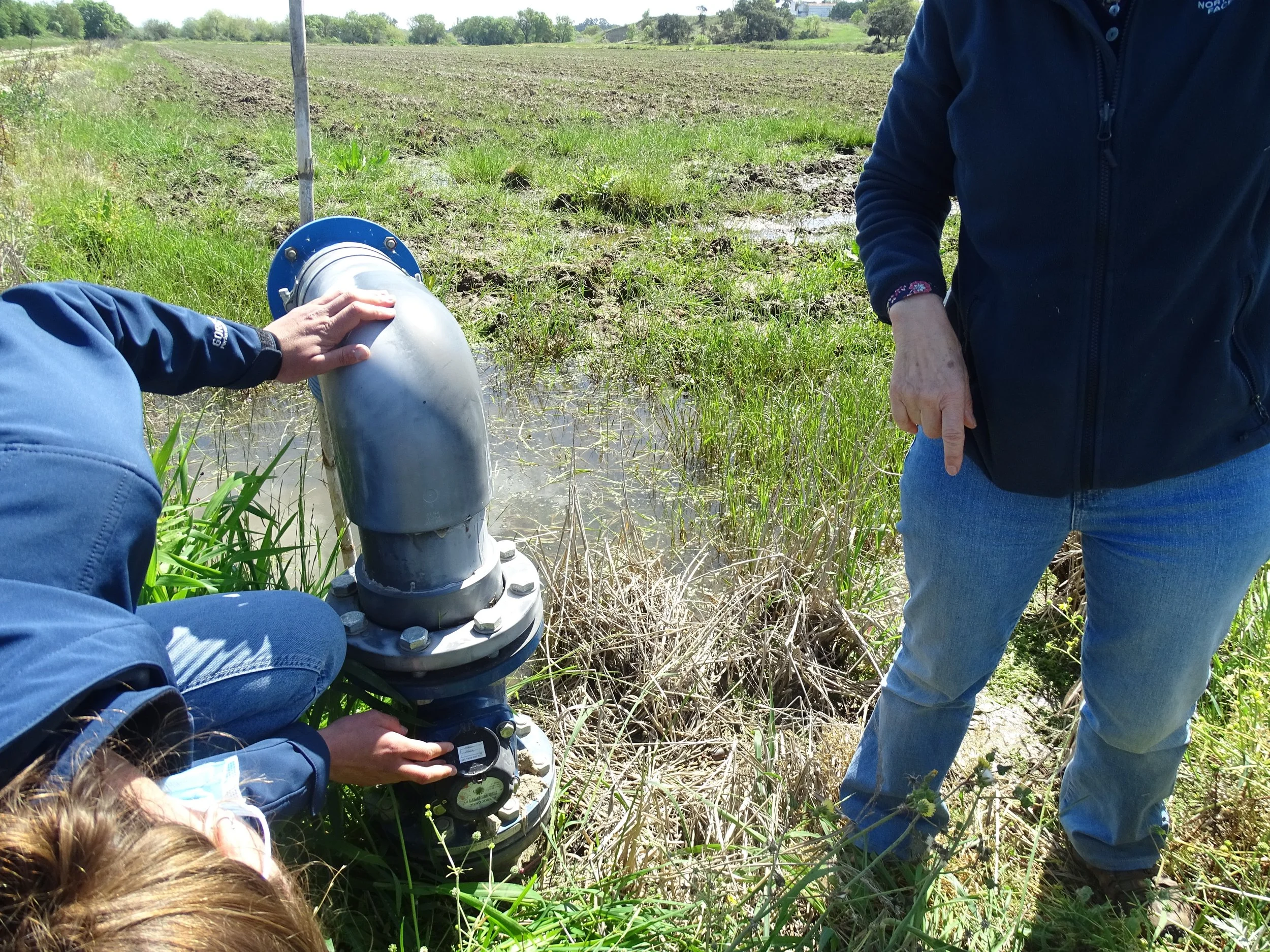
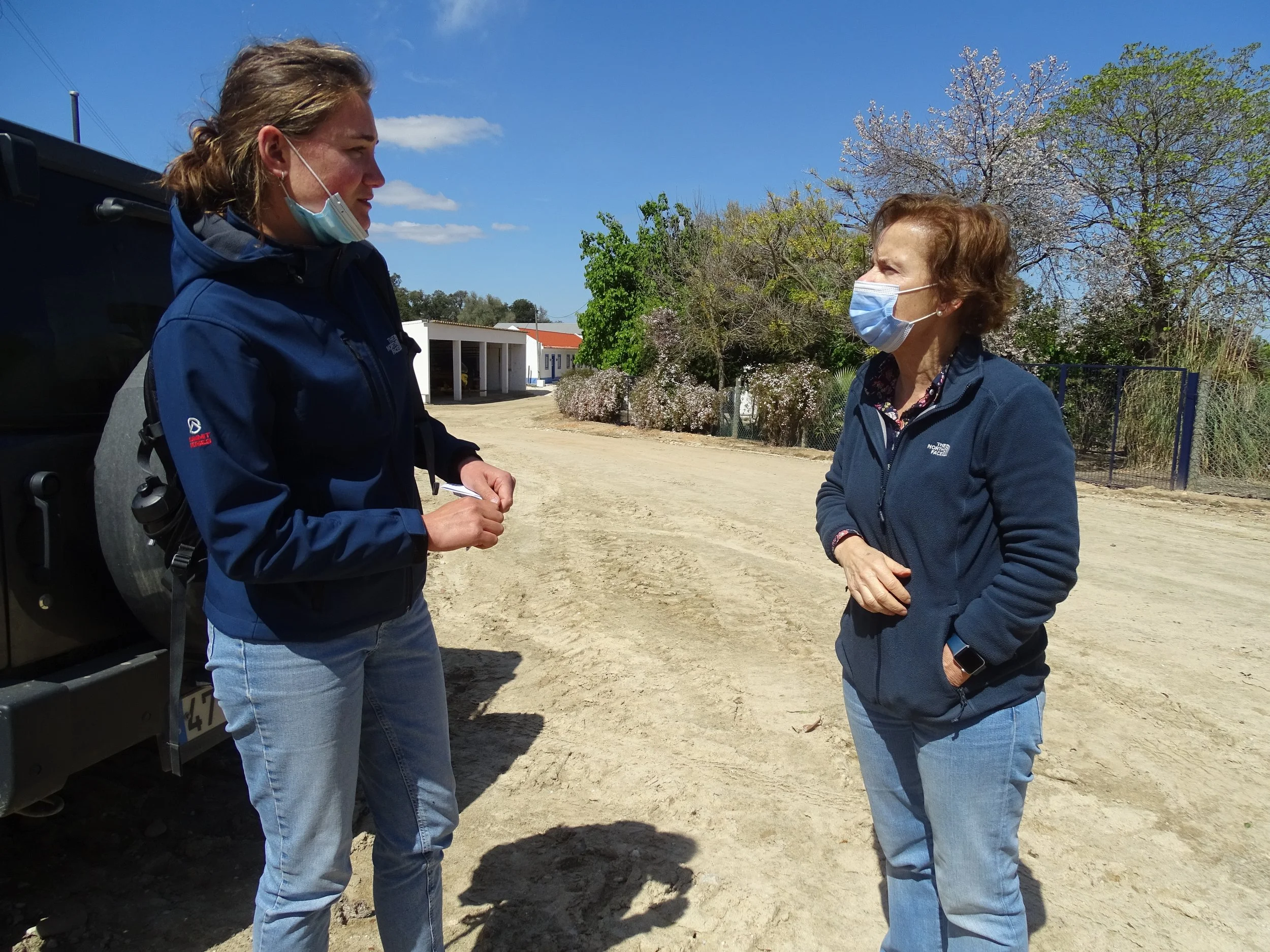
Our article also involved a younger generation: Sarah, because she has detailed knowledge of the Sorraia irrigation system that we included as a case study. I visited her there earlier in the COVID period, when she was doing fieldwork and we visited a female farmer there (pictures). She also assisted many times in the annual PORTEX- Bachelor student excursion from Wageningen and works well together with both people and GIS-technology. Later when we had written the paper together, Sarah presented it with us at the Water Resources Management Group. A few months later, she assumed a teaching position there, which pleases me.
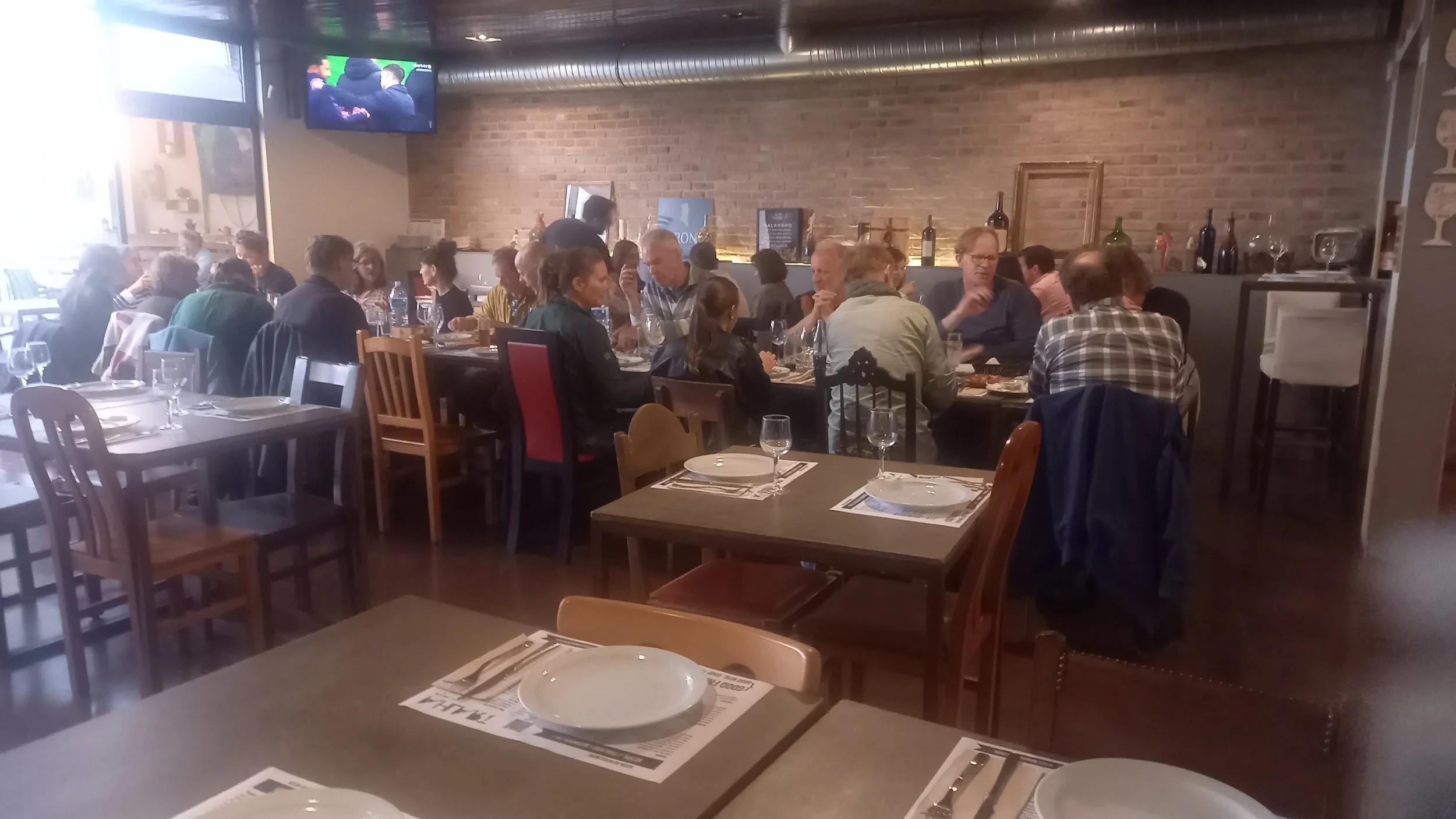
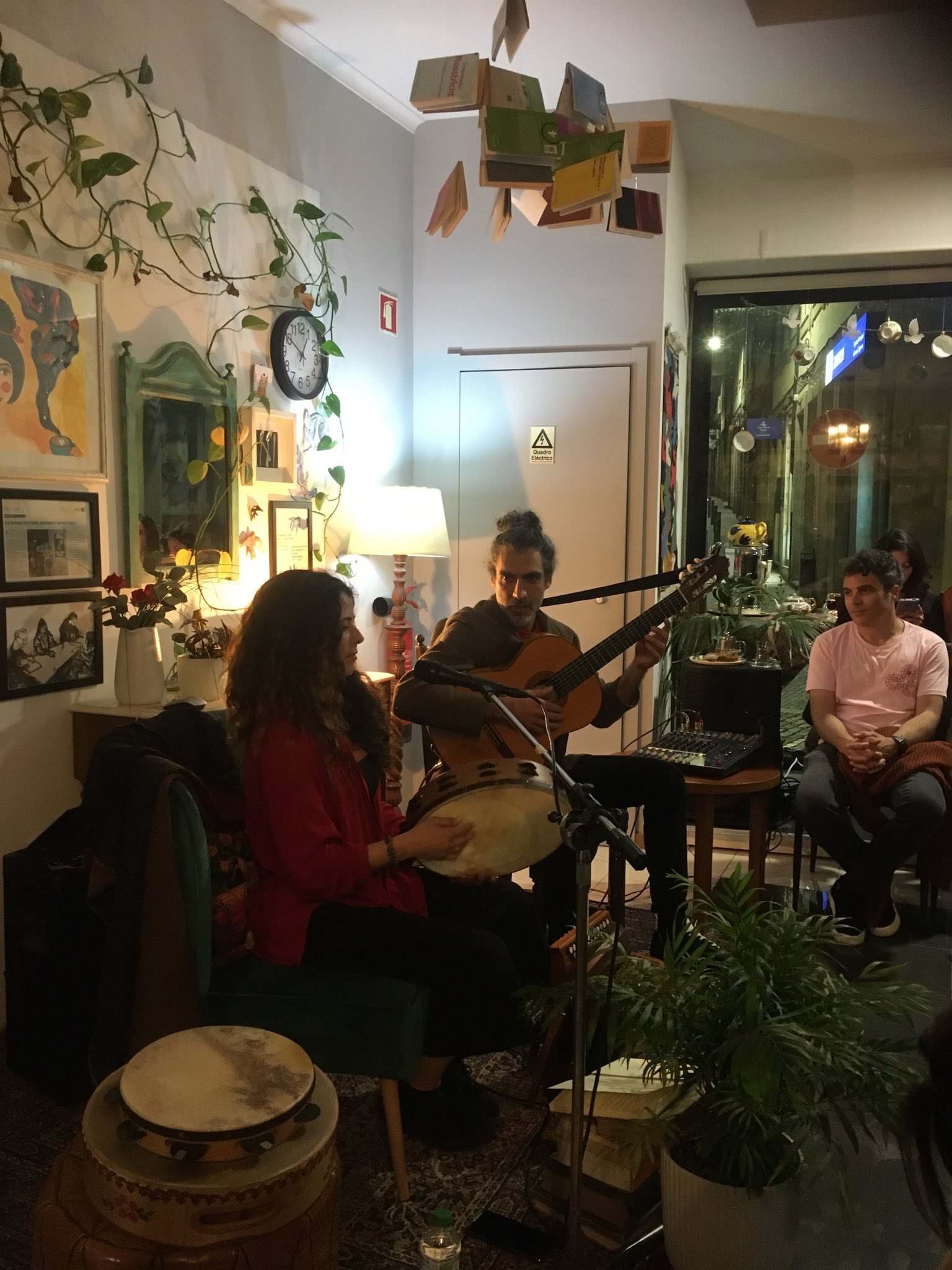
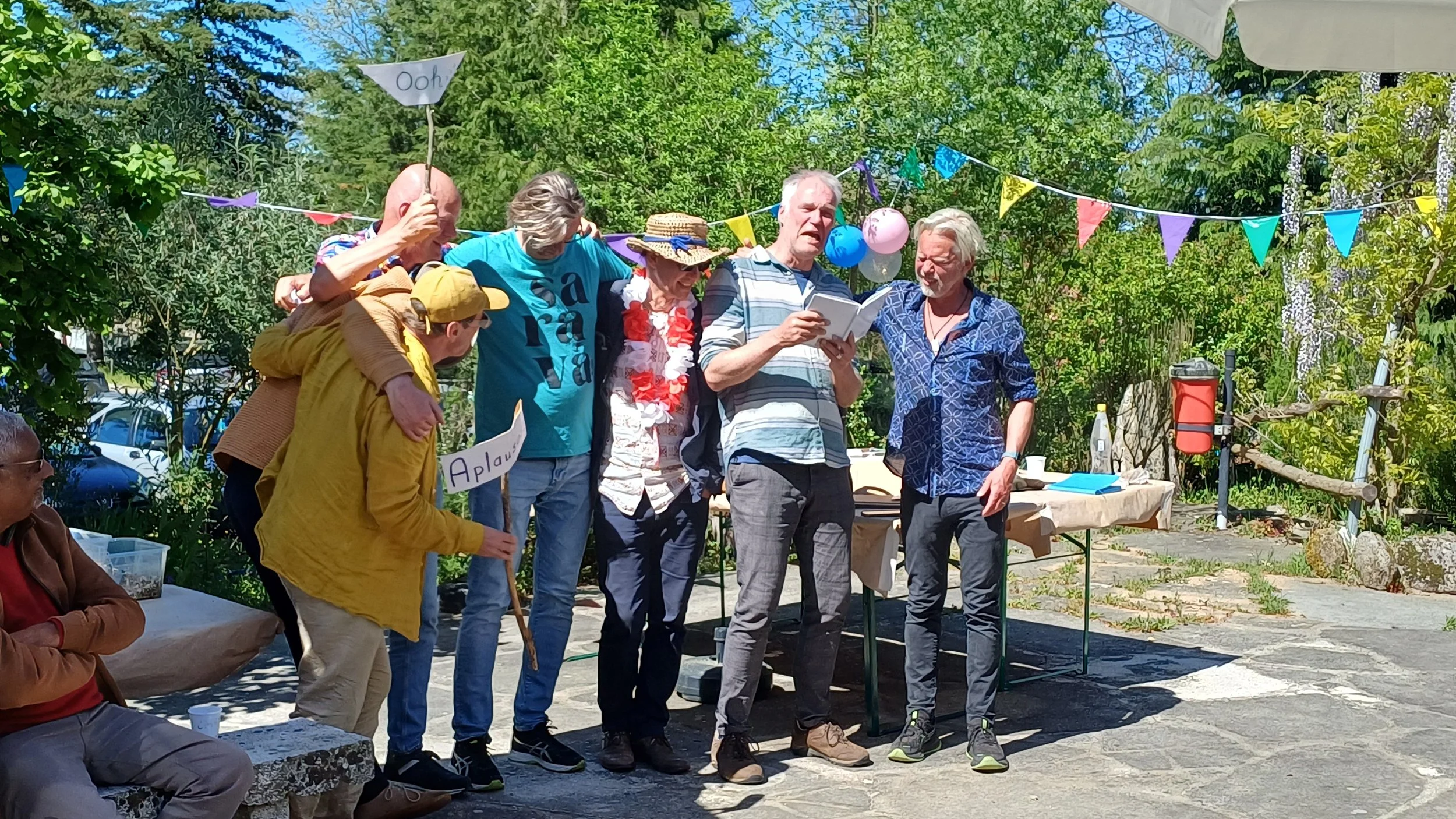
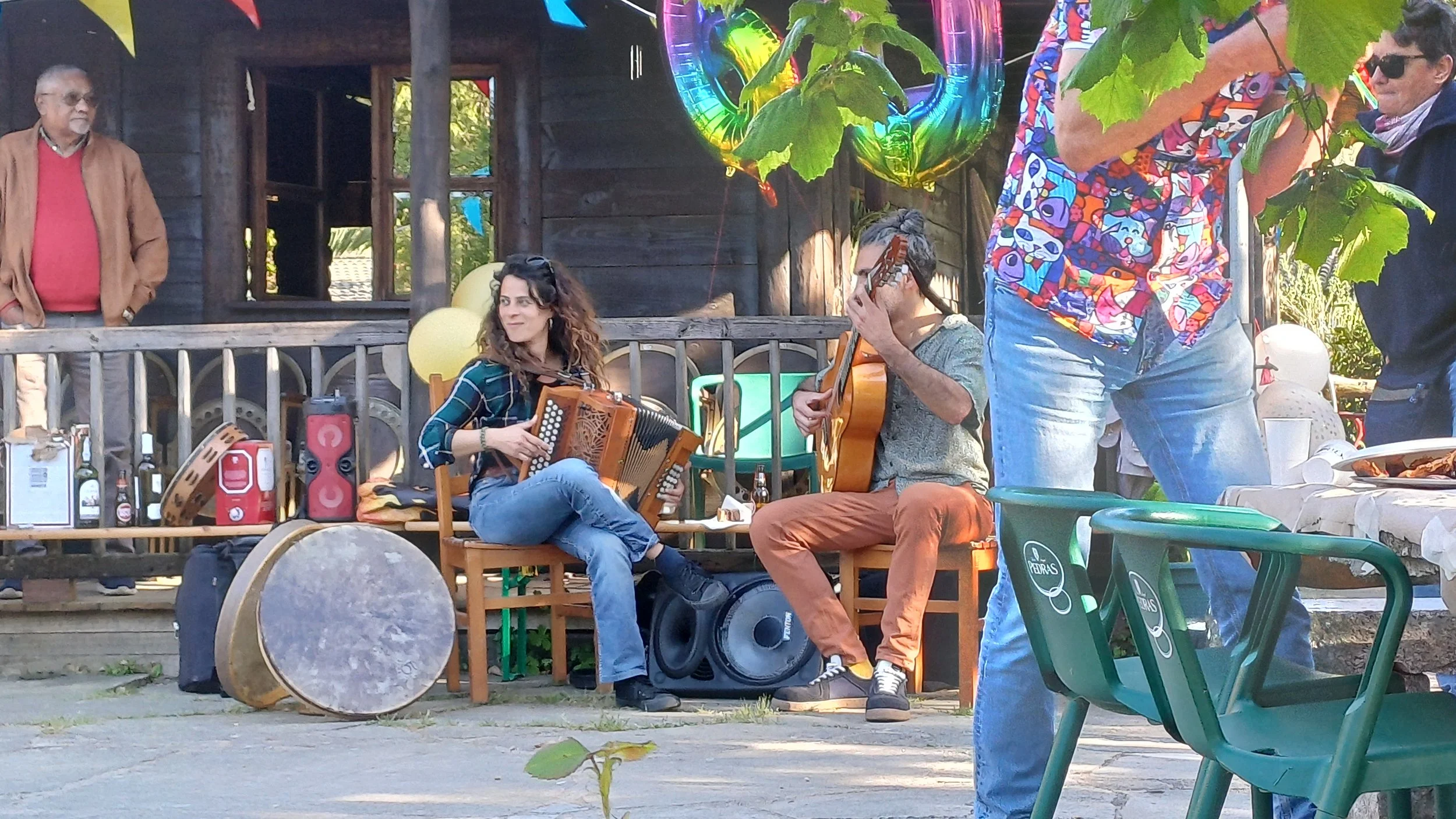
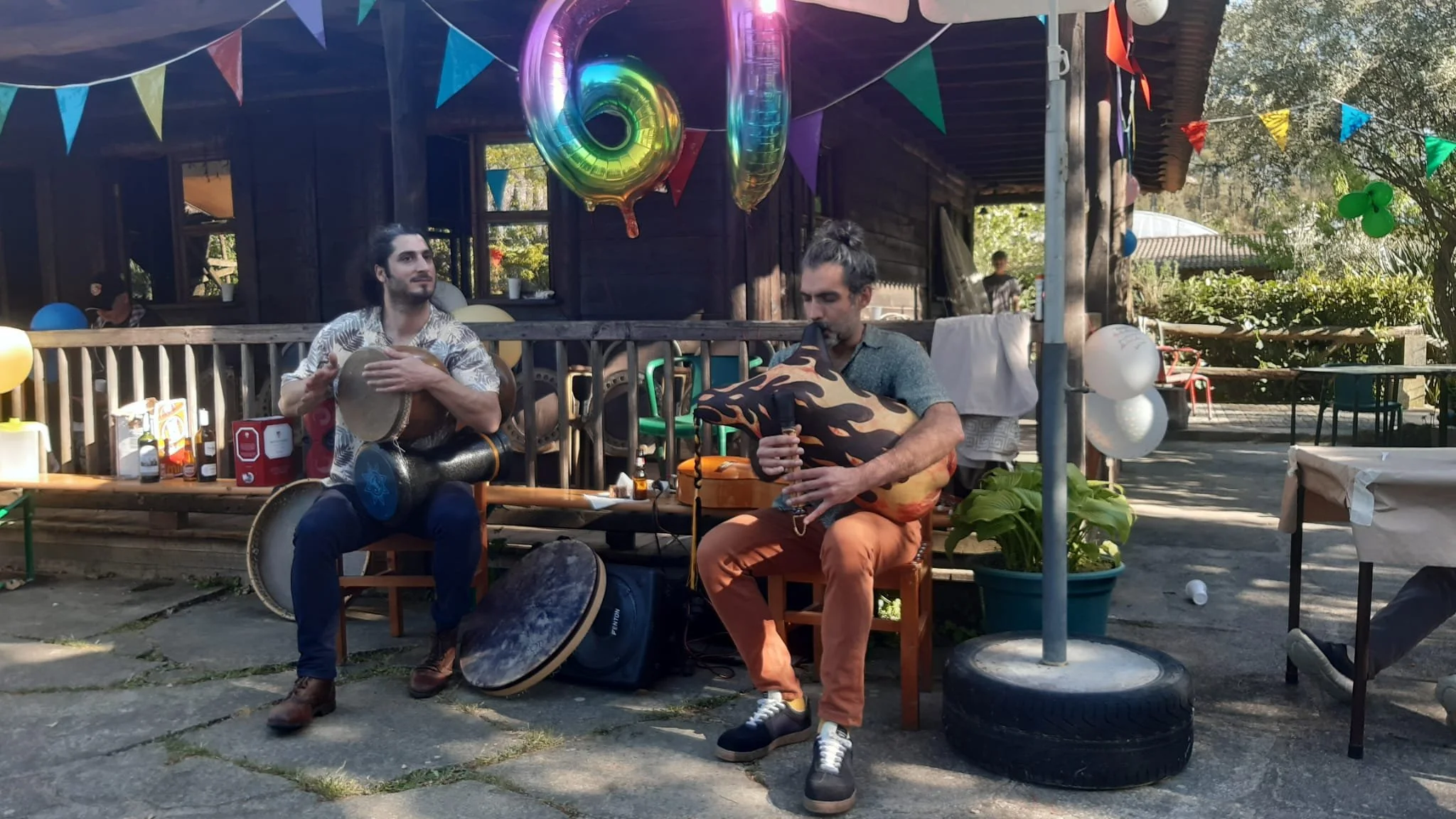
On our journey through Portugal, we were able to attend the 60th birthday party of Nico. He also once studied at Irrigation and Water Engineering in Wageningen, after which he worked in Mozambique, Laos, and Burkina Faso and settled in Portugal. For this special celebration, Nico invited many of his friends and former colleagues, amongst whom his generation of study friends. The festivities lasted several days in which we enjoyed great Portuguese food and nice Iranian and South Italian music from Roham, Sina, and Teresa (http://youtube.com/watch?v=J4Lmw34VfiU) on different scenic locations. Among others a live concert at the amazing atmospheric coffee, food and arts place ‘Casa da Firoozeh Sol’ in Vila Real. These memories made this whole journey very much worthwhile. All for science, of course.